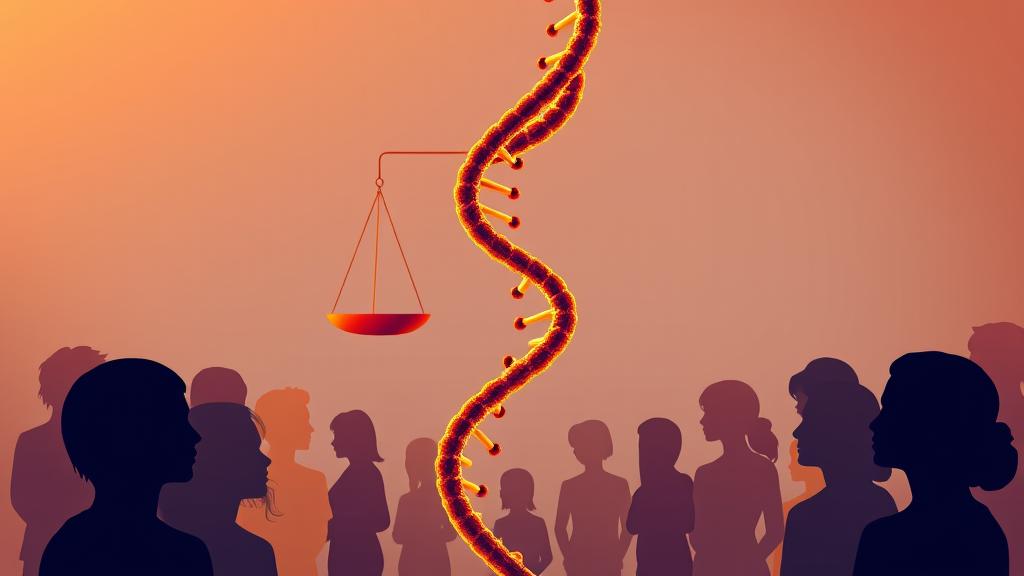
Ethics, Bias, and Equity in Omics AI
Introduction: The Promise and the Peril Precision medicine promised to treat each patient as an individual — to move beyond one-size-fits-all therapies to interventions tailored to your unique biology. AI-driven omics seemed poised to accelerate this vision: algorithms that could read your genome, interpret your proteome, and predict your disease risk with unprecedented accuracy. But there’s a problem. The data powering these algorithms is profoundly unrepresentative of human diversity. As of 2024, over 94% of participants in genome-wide association studies (GWAS) are of European ancestry, despite Europeans comprising only about 16% of the global population. This imbalance isn’t just a statistical curiosity — it has real consequences. Polygenic risk scores trained on European data perform significantly worse for individuals of African, Asian, Hispanic, and Indigenous ancestry. Variant classification algorithms misclassify pathogenic mutations in underrepresented populations. And the AI tools now entering clinical practice risk cementing these disparities into healthcare systems worldwide. ...