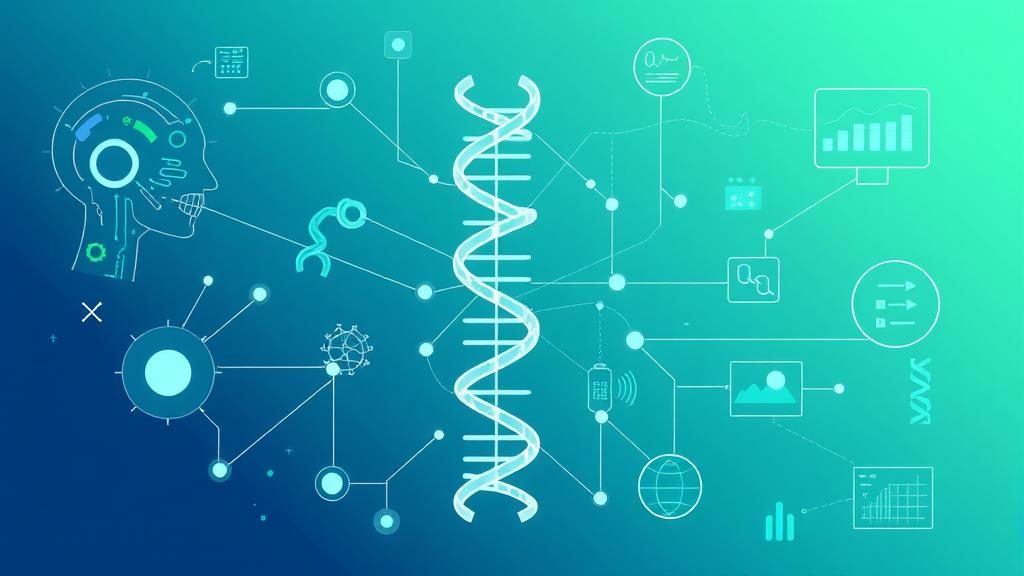
Multi-agent AI systems collaborating on biological research

Multi-Agent Systems for Biology: Collaborative AI Teams

Introduction No single AI agent can master all of biology. A genomics specialist doesn’t reason like a proteomics expert. A literature review agent has different skills from an experimental design agent. Yet biological discovery demands all of these perspectives working together. This is the promise of multi-agent systems for biology: collaborative AI teams where specialized agents debate, coordinate, and peer-review each other’s work — mimicking the collaborative nature of real scientific teams. ...
March 14, 2026 · 67 AI Lab
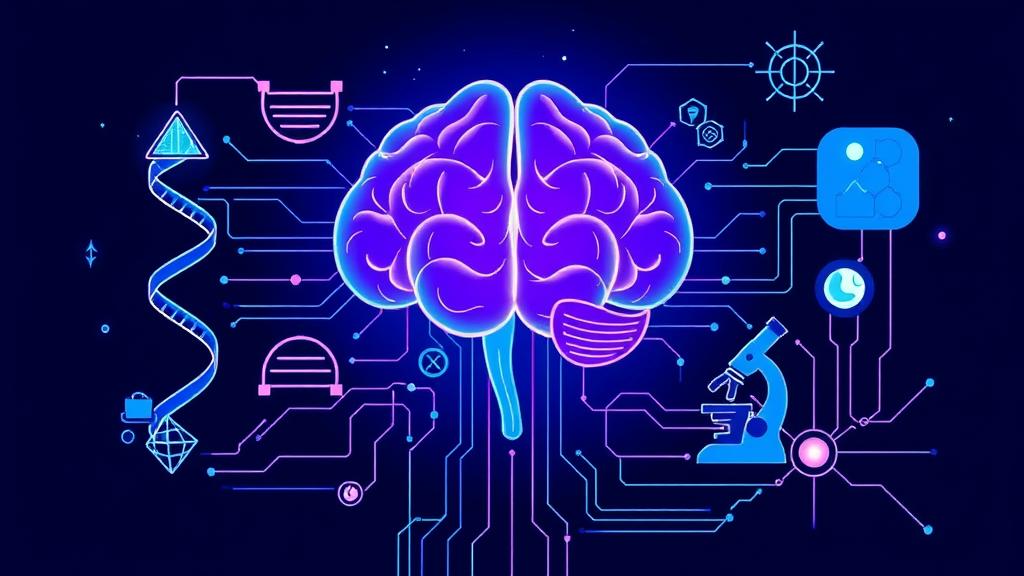
Agentic AI workflow diagram showing LLM orchestrating biological tools

What Is Agentic AI? From Chatbots to Autonomous Scientific Agents

Introduction: Beyond the Chatbot When you ask ChatGPT a question, it answers. When you ask an agentic AI system a question, it acts. This distinction — between passive assistance and autonomous execution — marks one of the most significant shifts in artificial intelligence since the transformer architecture itself. Agentic AI systems are not merely more sophisticated chatbots. They are autonomous entities capable of perception, reasoning, planning, tool use, action, and memory. They can independently execute multi-step workflows, make decisions when faced with uncertainty, and adapt their approach based on feedback from the environment. In scientific contexts, this means agents that can read literature, formulate hypotheses, design experiments, execute computational analyses, interpret results, and iterate — all with varying degrees of human oversight. ...

March 7, 2026 · 67 AI Lab