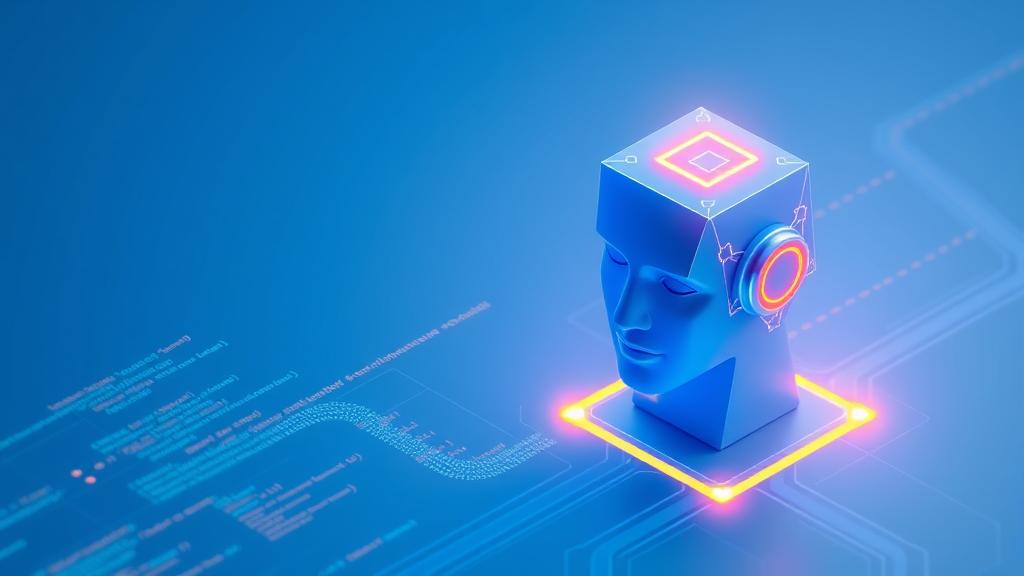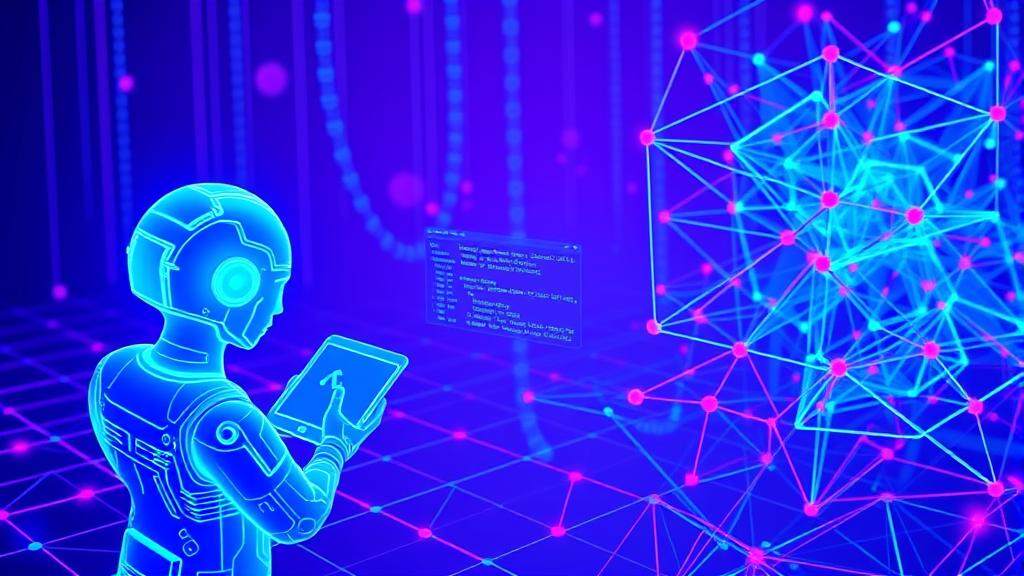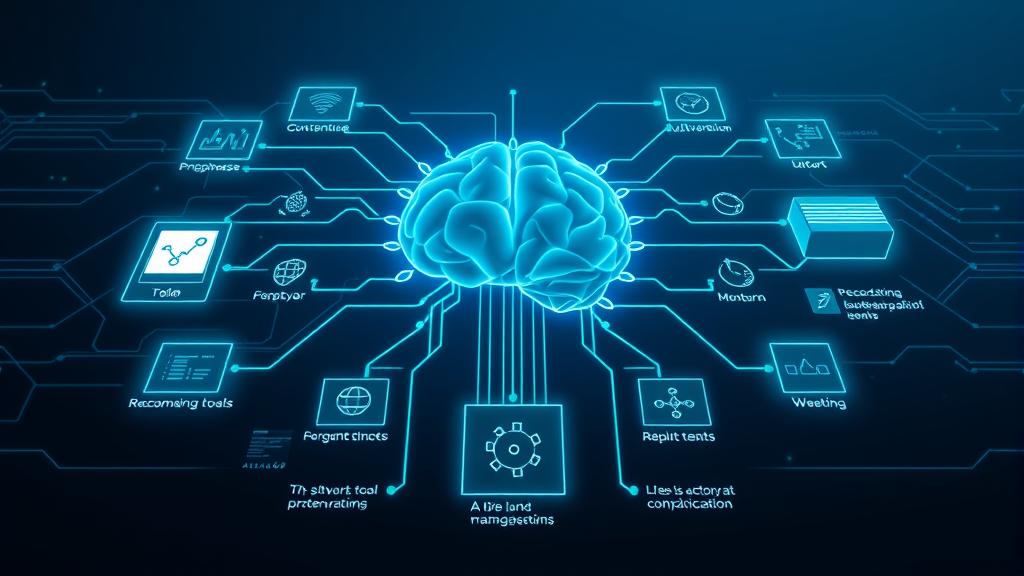
A futuristic command center where an AI agent manages server racks and data streams, resolving a red alert while human SREs look on.

Autonomous Incident Response: The Agents That Take the Pager

For two decades, the “pager” has been the defining artifact of the Site Reliability Engineer’s life. It is a symbol of responsibility, a source of burnout, and the ultimate interrupt. When the pager goes off, a human drops everything to decipher cryptic logs, correlate dashboards, and frantically type commands to stop the bleeding. In 2026, the pager still goes off—but increasingly, it’s an AI agent that answers. Welcome to Day 5 of our Agentic SRE series. Today, we explore the most high-stakes domain of agentic operations: Autonomous Incident Response. We are moving beyond “AIOps” tools that merely cluster alerts or highlight anomalies. We are entering the era of agents that triage, diagnose, mitigate, and resolve incidents with minimal human intervention. ...

February 17, 2026 · 67 AI Lab
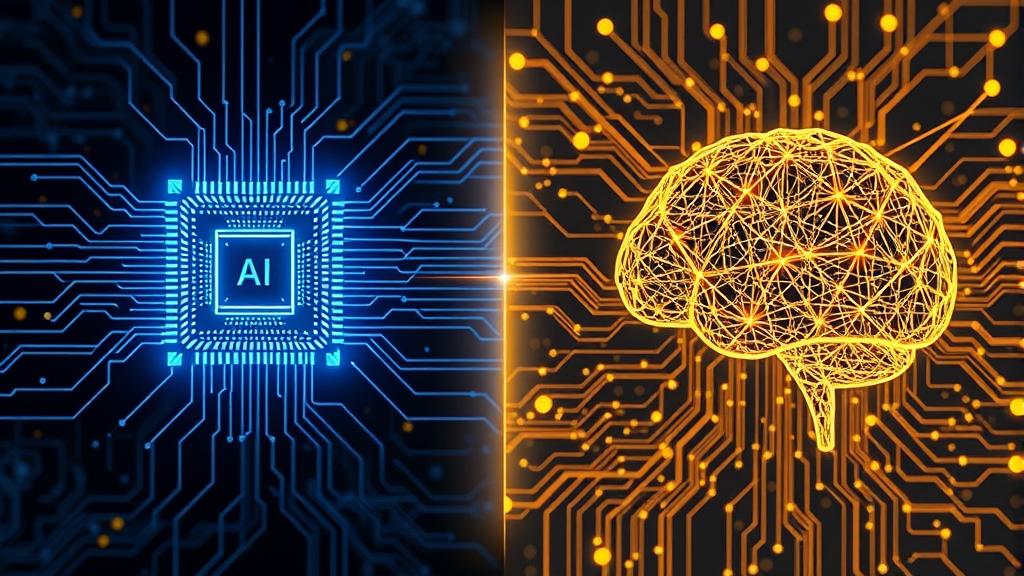
Split-screen visualization: A glowing blue local agent chip connected via fiber optics to a vast golden remote cloud brain.

Local vs. Remote Agents: Deployment Topologies for SRE

When we talk about “Agentic SRE,” we often focus on the what—what the agent can do, what models it uses, or what access it has. But in 2026, the critical architectural decision is actually the where. Does your SRE agent live inside your cluster, running as a Kubernetes operator with direct access to the control plane? Or does it live in a SaaS vendor’s cloud, ingesting telemetry and sending commands back over an API? ...

February 16, 2026 · 67 AI Lab
A futuristic SRE command center where holographic AI agents are collaborating with a human engineer to solve a system outage

The Agentic SRE Vision: Where We're Going

Site Reliability Engineering (SRE) has always been about automation. From the earliest shell scripts to complex Kubernetes operators, the goal has been to eliminate toil. But until recently, automation was largely deterministic: if X happens, do Y. The human engineer was the control plane, deciding which automation to run and when. In 2026, we are witnessing a fundamental inversion of this model. We are moving from AI-assisted SRE—where tools suggest actions to humans—to Agentic SRE, where autonomous agents observe, reason, decide, and act in closed loops, with humans moving to a supervisory role. ...

February 15, 2026 · 67 AI Lab
The evolution of reliability engineering across four ages

The Four Ages of Reliability Engineering

In 2003, a Google engineer named Ben Treynor Sloss was handed a team of seven software engineers and told to keep Google’s production systems running. His approach — treating operations as a software engineering problem — would eventually reshape an entire industry. But in the two decades that followed, the world changed beneath our feet: monoliths shattered into microservices, on-prem servers migrated to ephemeral cloud infrastructure, and the sheer complexity of modern distributed systems outpaced any human team’s ability to reason about them in real time. Now, we are entering a new era where AI agents don’t just assist operations; they drive them. ...

February 14, 2026 · 67 AI Lab
A digital isometric map of a futuristic infrastructure city with data pathways and autonomous agents.

The SRE Landscape: A Map of the Territory

If you ask five engineers to define Site Reliability Engineering (SRE), you will get five different answers. For some, it is simply “operations with a software mindset.” For others, it is strictly about error budgets and Service Level Objectives (SLOs). And for a growing number in 2026, it is the discipline of managing the AI agents that manage the systems. But before we can discuss Agentic SRE—the automation of reliability work by autonomous AI—we must agree on what work is actually being done. You cannot automate what you do not understand. ...

February 14, 2026 · 67 AI Lab
Digital shield protecting a futuristic server rack

Security First: Hardening Your AI Agent

Over the last 10 days, we’ve built something incredible. We started with a Raspberry Pi, gave it a brain (Gemini/OpenAI), eyes (Vision), a voice (TTS), and even a job (writing this blog). But there’s a catch. We’ve built a highly capable autonomous agent with shell access, internet connectivity, and the ability to execute code. If that sounds like a security risk, you’re right. Today, we’re locking it down. We’re not just securing the Raspberry Pi; we’re teaching the agent to audit its own security using a specialized Healthcheck Skill. ...

February 11, 2026 · 67 AI Lab
AI Financial Watchdog

The Watchdog: Setting up a Financial Analyst Agent

Start your day with a briefing, not a manual search. Today, we turn our OpenClaw agent into a Financial Watchdog—an autonomous observer that tracks markets, monitors your portfolio, and pings you only when it matters. In Day 9 of the 67 AI Lab, we’re moving from “reactive” assistance (chatting) to “proactive” assistance (monitoring). Why a Watchdog? Most of us have a routine: wake up, check stocks, check crypto, read headlines. It’s repetitive. An AI agent can do this faster, better, and without emotion. ...

February 10, 2026 · 67 AI Lab
Futuristic smart home interface with neural network connections

Smart Home Brain: Integrating Home Assistant

For the last week, we’ve been building a digital brain. We’ve given OpenClaw the ability to see, hear, speak, and remember. But so far, it’s been trapped in the machine. Today, we break the fourth wall. Today, we connect OpenClaw to the physical world using Home Assistant. Home Assistant is the gold standard for local smart home control. By integrating it, our agent stops being just a chatbot and starts becoming a true house majordomo—capable of checking the thermostat, arming the security system, or turning off the lights when I forget. ...

February 9, 2026 · 67 AI Lab
Automating the Office: Generating PowerPoints & PDFs

Automating the Office: Generating PowerPoints & PDFs

Welcome to Day 7 of our OpenClaw series! Today we’re turning our AI assistant into an office automation powerhouse. By the end of this tutorial, your Raspberry Pi will be generating professional PowerPoint presentations and PDF documents on demand. Why Document Automation? Imagine telling your AI: “Create a presentation about Q4 sales results” or “Generate a PDF report from this data” — and having it just… happen. That’s what we’re building today. ...

February 8, 2026 · 67 AI Lab
Building Your First Skill: The Memos Integration

Building Your First Skill: The Memos Integration

OpenClaw becomes truly powerful when it stops just talking and starts doing. Up until now, we’ve given it a brain (LLMs), a voice (TTS), and eyes (Vision). Today, we give it hands. We are going to build a custom Skill. A “Skill” in OpenClaw is essentially a tool definition that maps a user’s natural language request to an executable command or script. In this tutorial, we’ll build a bridge to Memos, an open-source, self-hosted note-taking service (think of it as a private Twitter or lightweight Notion). ...

February 7, 2026 · 67 AI Lab