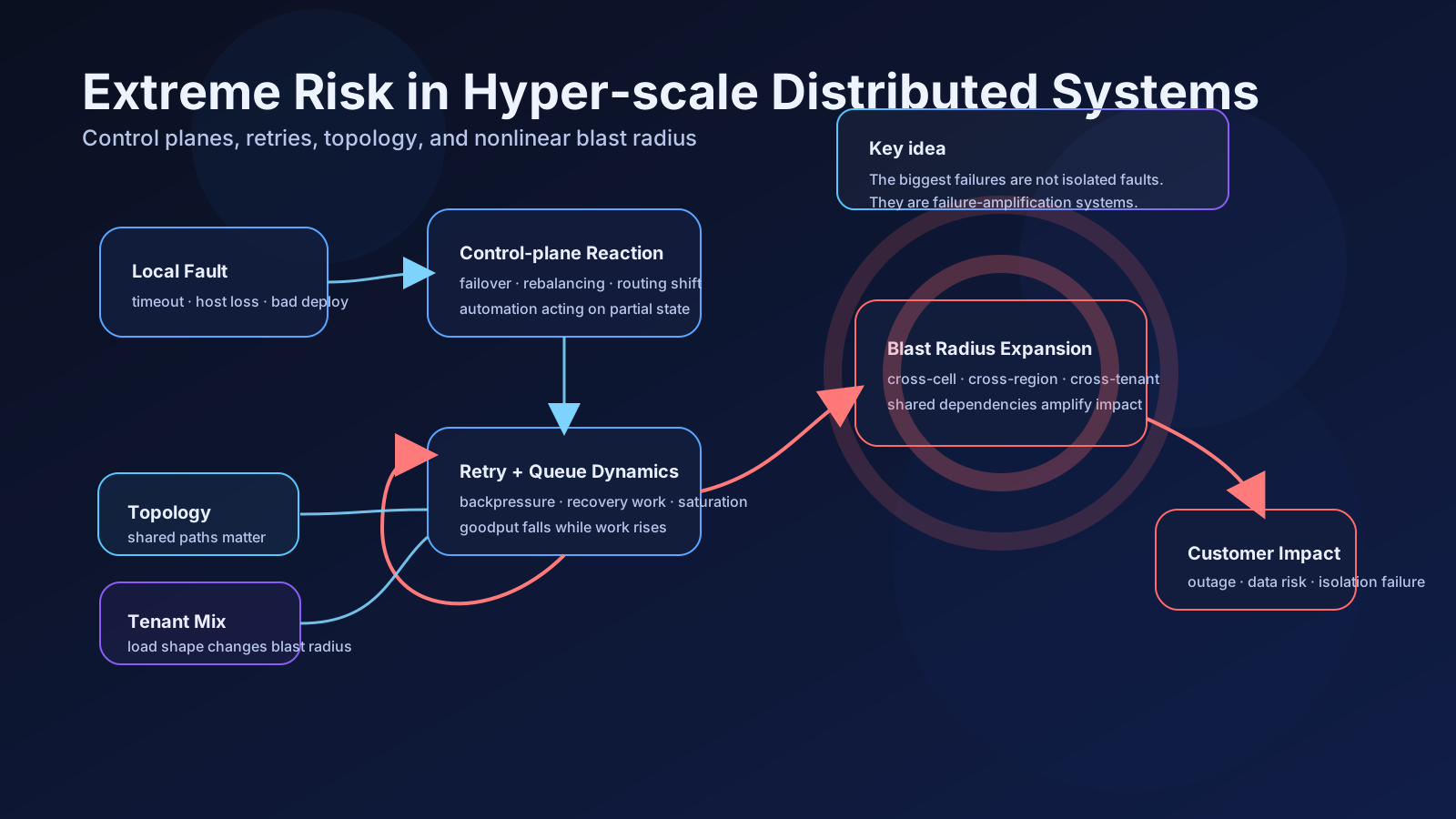
Abstract diagram of control planes, services, and cascading failure paths in a hyper-scale distributed system

A Comprehensive Guideline for Extreme Risk Identification and Prevention for Hyper-scale Distributed Systems

Hyper-scale distributed systems fail differently from ordinary software systems. Their most dangerous risks are rarely caused by one broken component. They emerge from the interaction of control planes, data planes, deployment automation, network topology, retry behavior, queueing dynamics, tenant workloads, and human operational decisions. In such systems, extreme risk means a low-frequency but high-consequence condition that can create nonlinear blast radius: regional degradation, global control-plane unavailability, cross-tenant impact, silent data corruption, large-scale isolation failure, or unrecoverable operational deadlock. ...

April 28, 2026 · 67 AI Lab
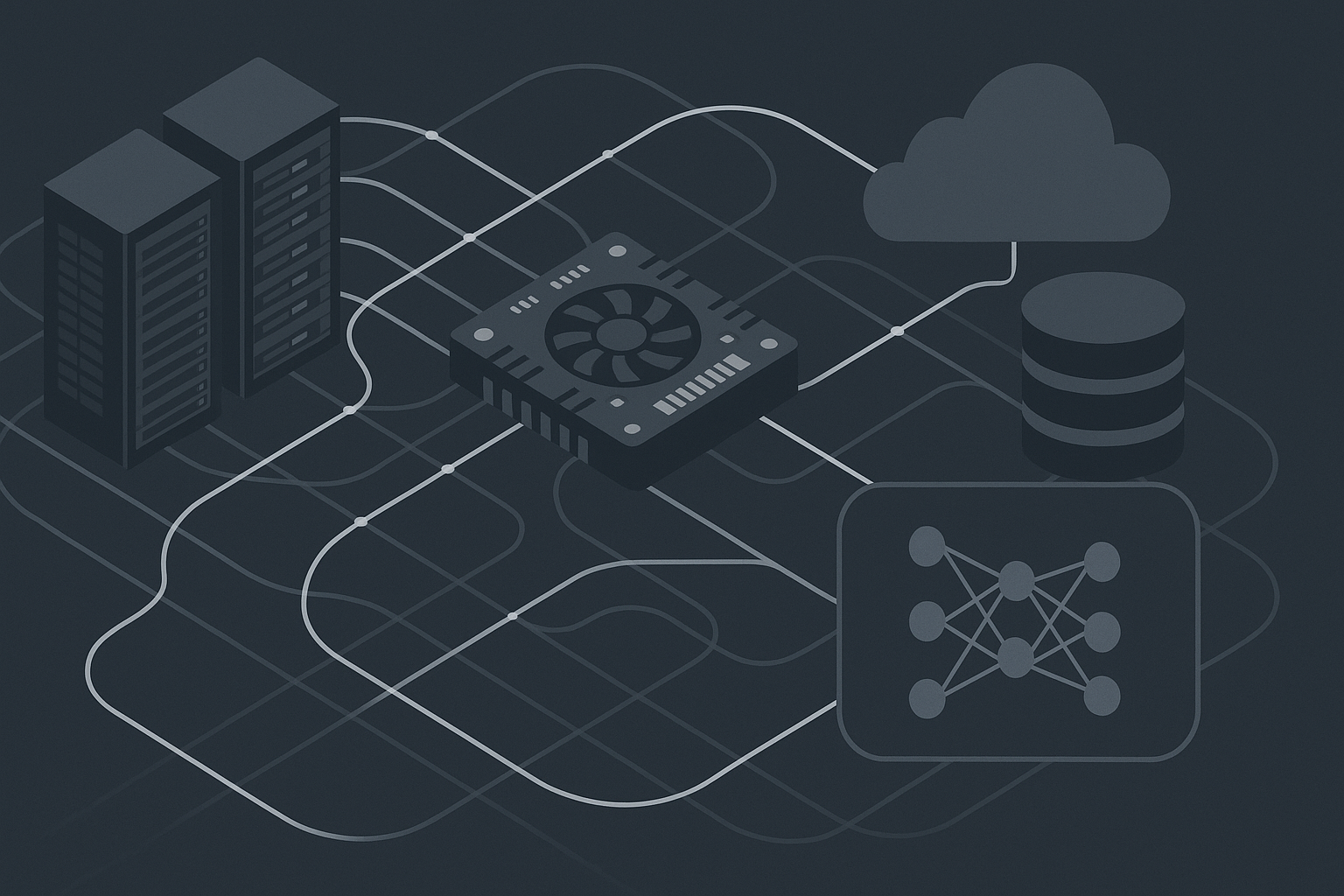
Abstract illustration of distributed systems, AI infrastructure, networking, storage, and accelerators

EuroSys 2026: Where Systems Research Is Heading

EuroSys has always been a good place to see where real systems pressure is building. The 2026 edition is especially revealing. The accepted-paper list shows a community that is no longer just building generic distributed systems abstractions. It is increasingly shaped by AI-scale workloads, accelerators, network bottlenecks, cloud efficiency, and production-grade reliability constraints. This report synthesizes the EuroSys 2026 accepted papers into a high-level map of the field: the key areas covered by the conference, the most popular areas, the major trends visible across the program, and the follow-up deep dives worth turning into a full post series. Methodology and scope This report is grounded in the EuroSys 2026 accepted papers list and the linked proceedings entry: ...

April 26, 2026 · 67 AI Lab