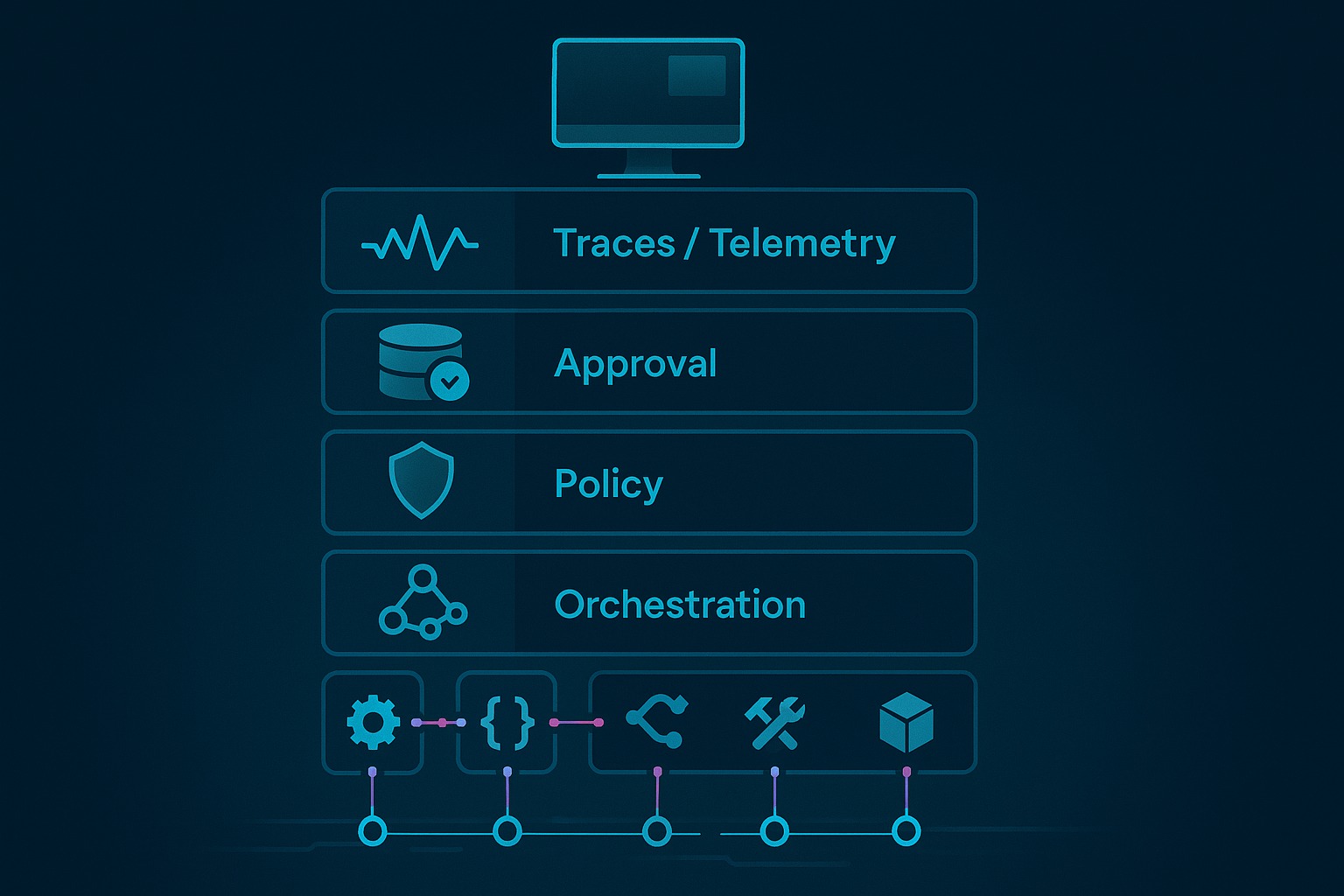
Layered technical illustration of agent infrastructure beyond the protocol layer, including orchestration, policy, durability, observability, and operator controls

What Comes After MCP: The Next Layer of Agent Infrastructure

The live demo repo for this series is 67ailab/harness-engineering. For this final post, I did not change the repo before publishing; the codebase discussed here is the current public state at commit 7d01dae, the same commit introduced in the previous post when the repo gained a real blueprint export. That matters because this article is not about an imaginary next step. It is about what the current repo already makes obvious once you stop looking at MCP as the finish line. ...

May 13, 2026 · 67 AI Lab
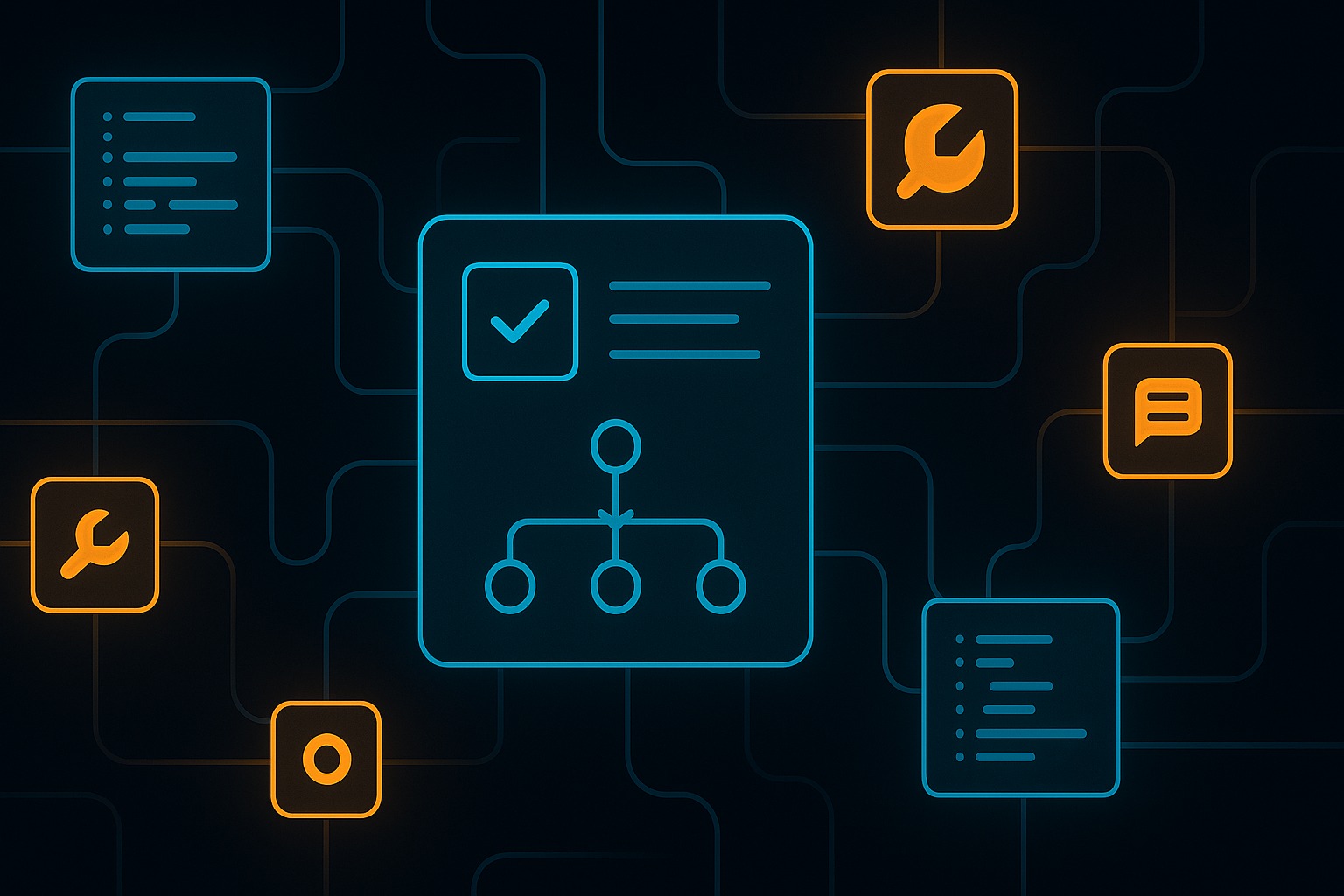
Diagram of JSON schemas and MCP tool descriptors feeding into an agent harness with approvals and traces

Tool Calling, Schemas, and the Rise of MCP

The live demo repo for this series is 67ailab/harness-engineering, and for this post I did add a real new capability before publishing. The repo now includes a small MCP-style adapter layer in src/harness_engineering/mcp.py, plus CLI entry points to inspect tool descriptors and call tools through that boundary. The exact repo change shipped in commit e21f361. That addition matters because this is the first point in the series where the demo has to answer a question the broader ecosystem now forces on every agent builder: what exactly is the boundary between your harness and the tool protocol? ...

May 2, 2026 · 67 AI Lab
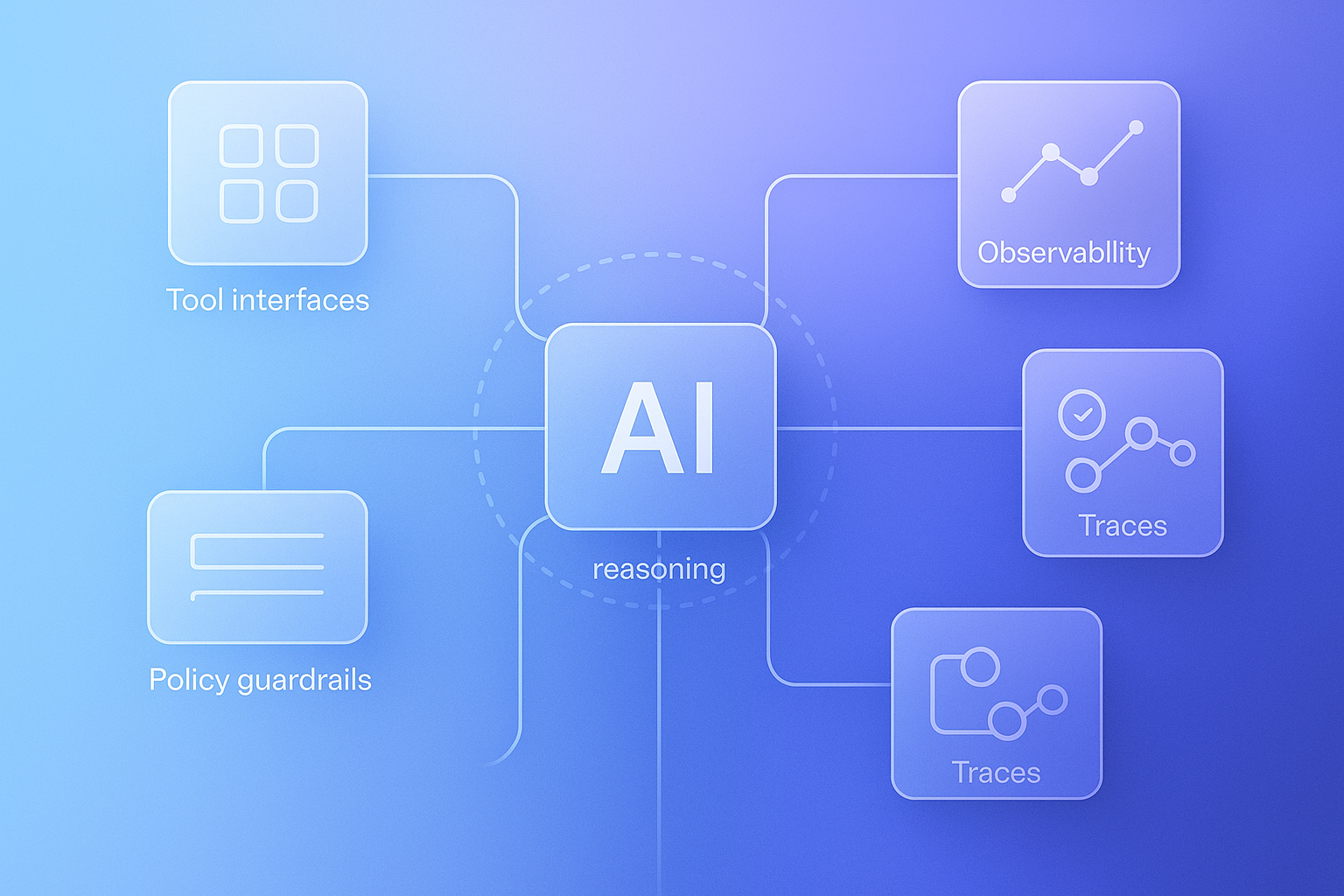
Systems diagram of an AI agent connected to tools, observability, approval gates, memory, and policy guardrails

Agentic Harness Engineering White Paper

Artificial intelligence is entering a new engineering phase. For the last two years, the dominant conversation centered on prompt engineering: how to ask better questions, structure better instructions, and squeeze more reliable output from large language models. That work mattered, and still matters. But as models have become capable of planning, tool use, coding, browsing, testing, and acting over many steps, the practical bottleneck has shifted. The central production problem is no longer simply how to prompt the model. It is how to build the runtime around the model so that the model can act effectively, safely, durably, and measurably. ...

May 1, 2026 · 67 AI Lab
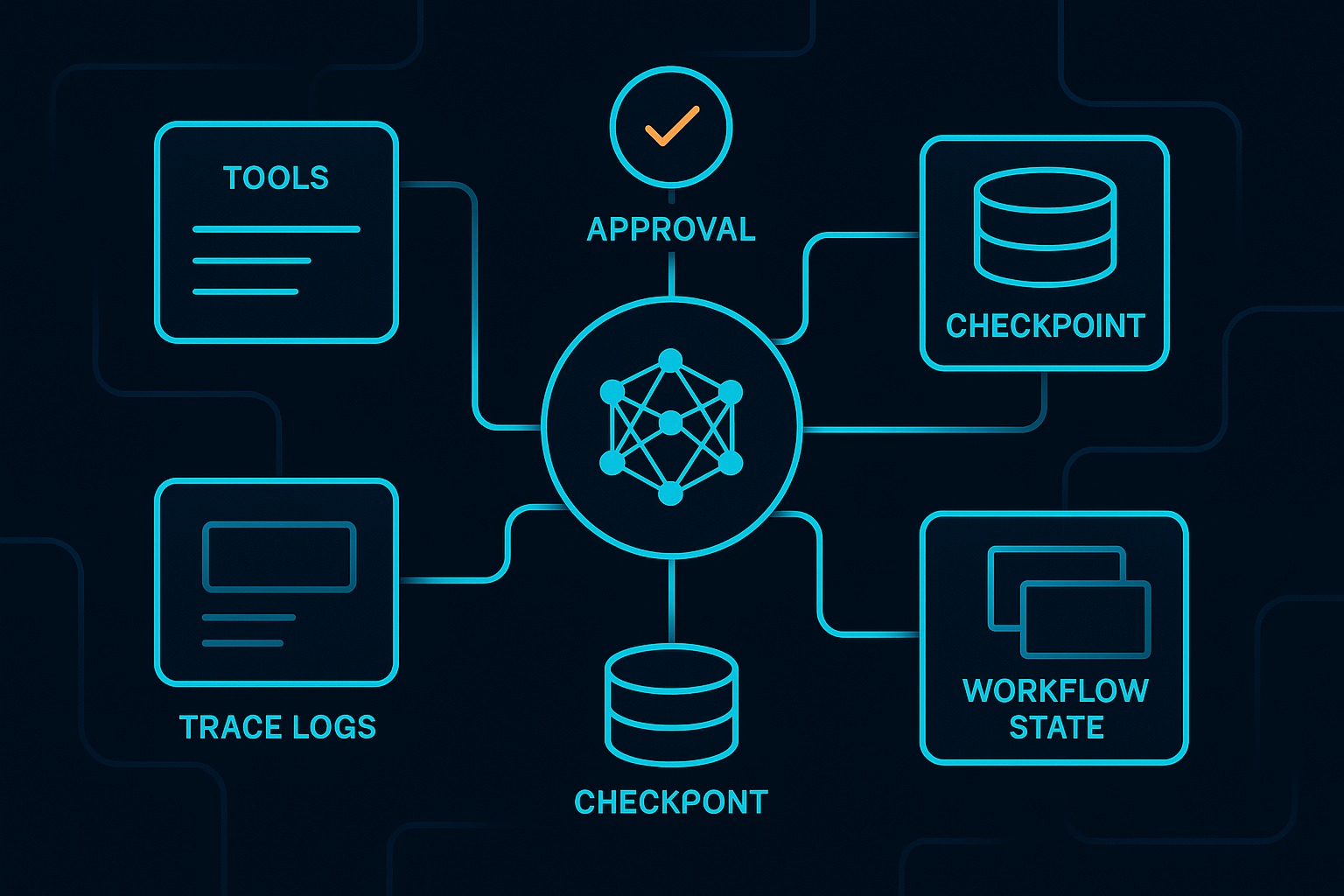
Abstract diagram of an LLM connected to tools, checkpoints, approval gates, and trace logs

Why Agentic Harness Engineering Matters More Than Prompt Engineering

The live demo repo for this series is 67ailab/harness-engineering. This first post is grounded in the current public repo state rather than a made-up architecture diagram. For this article, I did not add a new repo feature before publishing; the existing baseline already supports the core claim. At the time of writing, that baseline includes typed tools, checkpointed run state, resumable execution, an approval gate before writing artifacts, per-step traces, a planner/reviewer split, and optional local OpenAI-compatible model support. ...

April 30, 2026 · 67 AI Lab