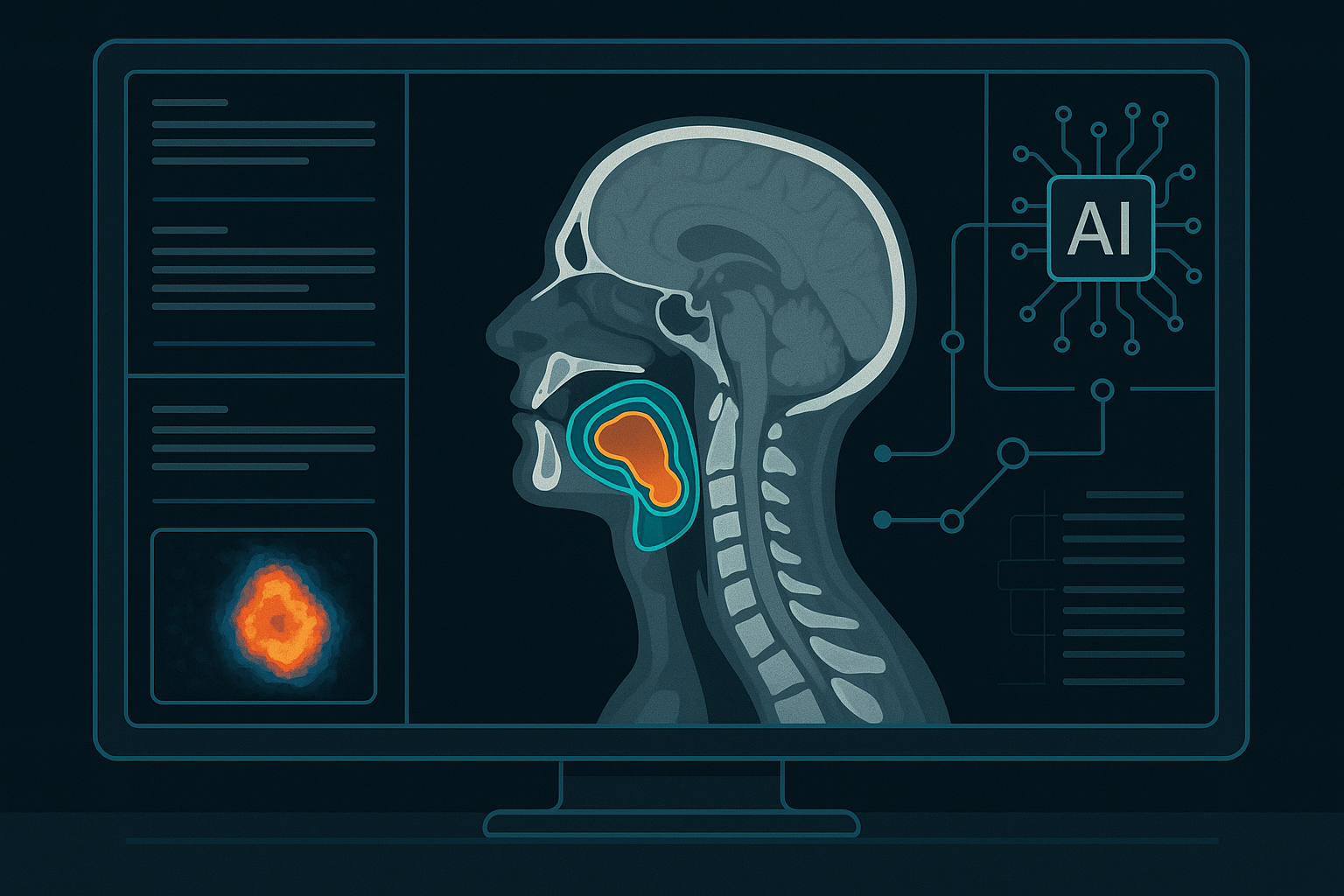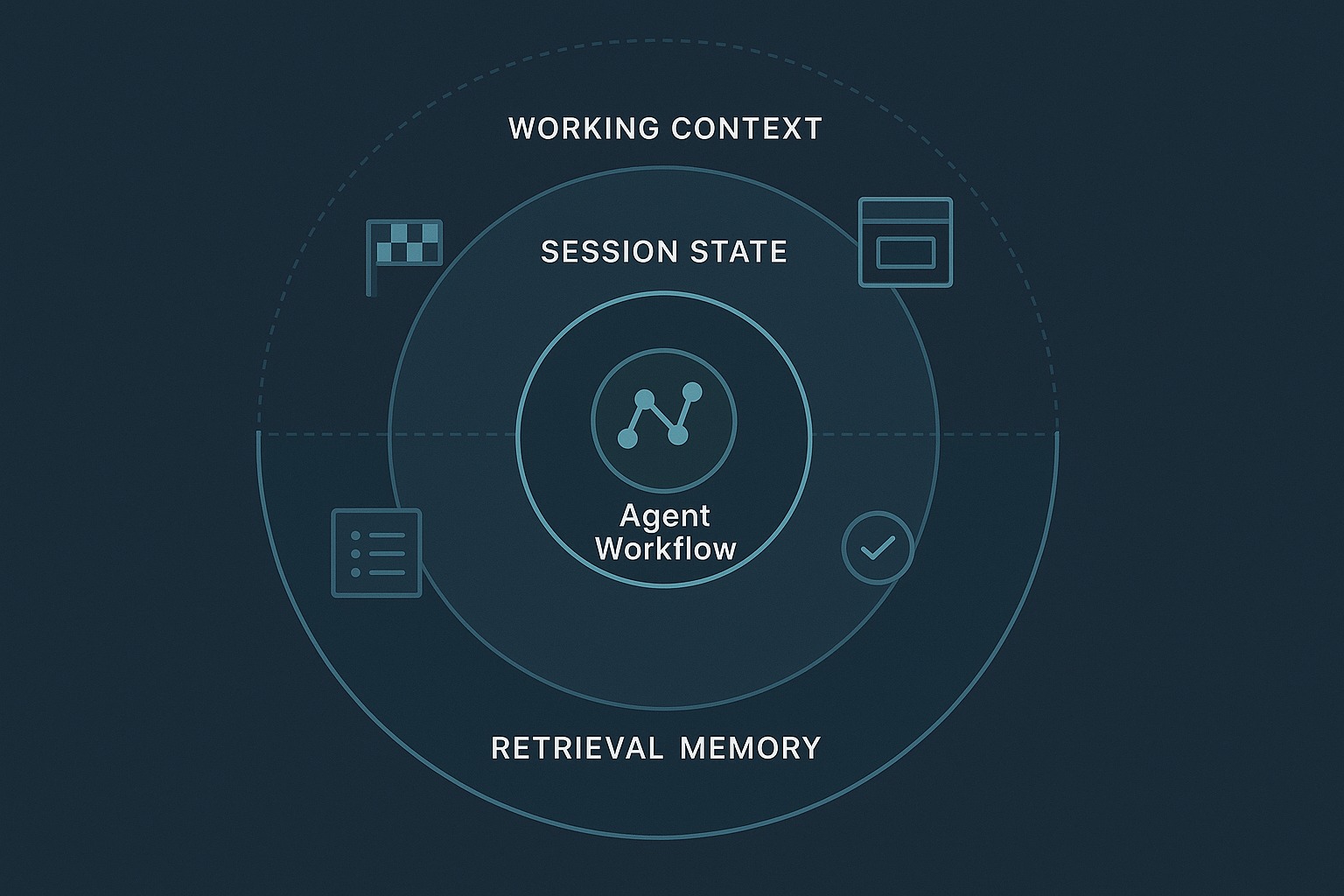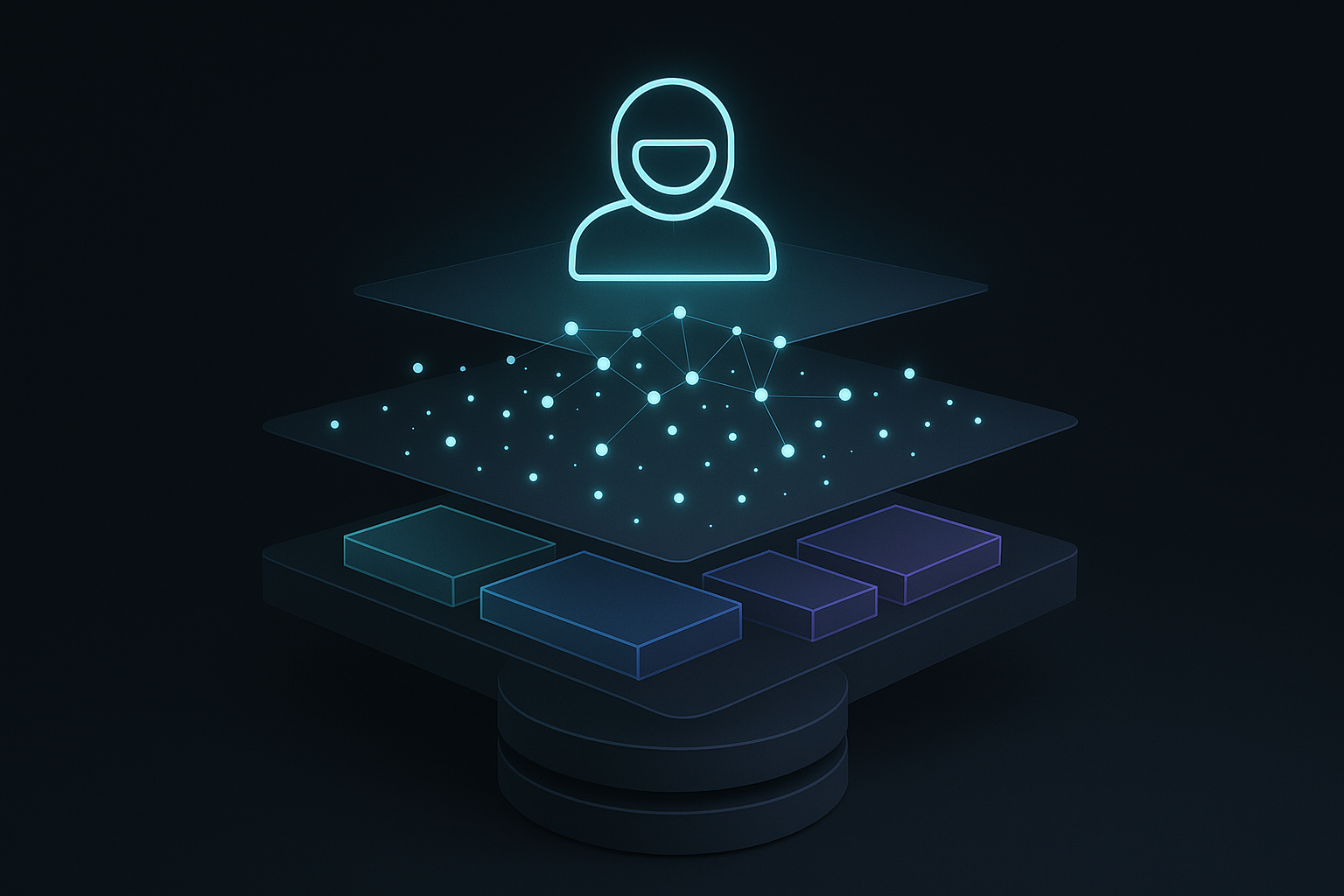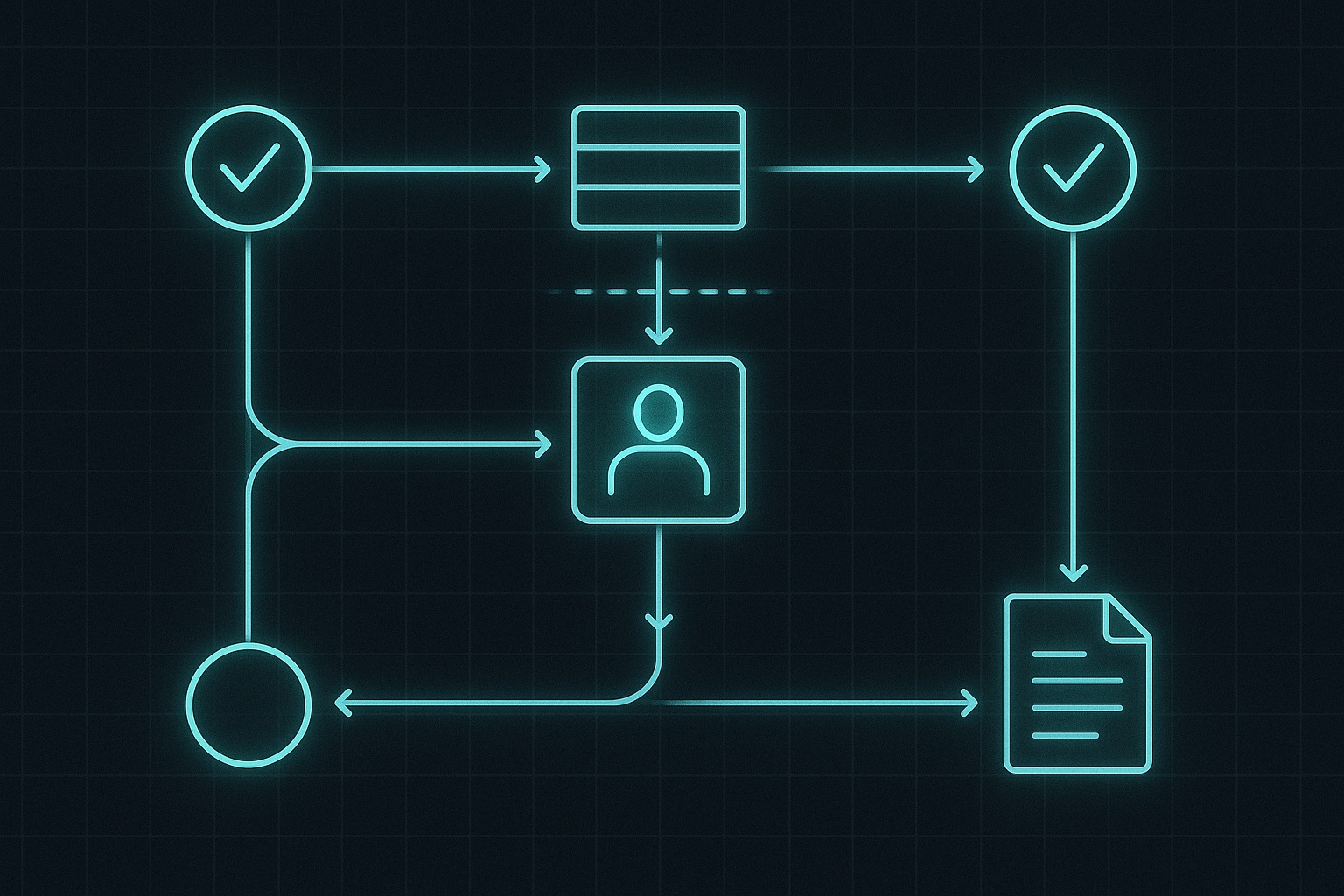
Abstract architecture of embeddings, ANN indexes, storage layers, and AI agents

Vector Databases Explained: History, Internals, and Why Agentic AI Depends on Them

A lot of the recent attention on vector databases makes them sound like a brand-new invention created by the generative AI boom. That is not really true. What changed is not the underlying math. What changed is the workload. For more than a decade, industry and academia had already been working on large-scale nearest-neighbor search for recommendation systems, image retrieval, search, ads, and ranking. The generative AI wave did something different: it turned vector retrieval from a specialized backend capability into a mainstream application primitive. Once teams started building retrieval-augmented generation (RAG), long-term AI memory, semantic search, and tool-using agents, vector databases stopped being niche infrastructure and became part of the standard stack. ...

May 5, 2026 · 67 AI Lab
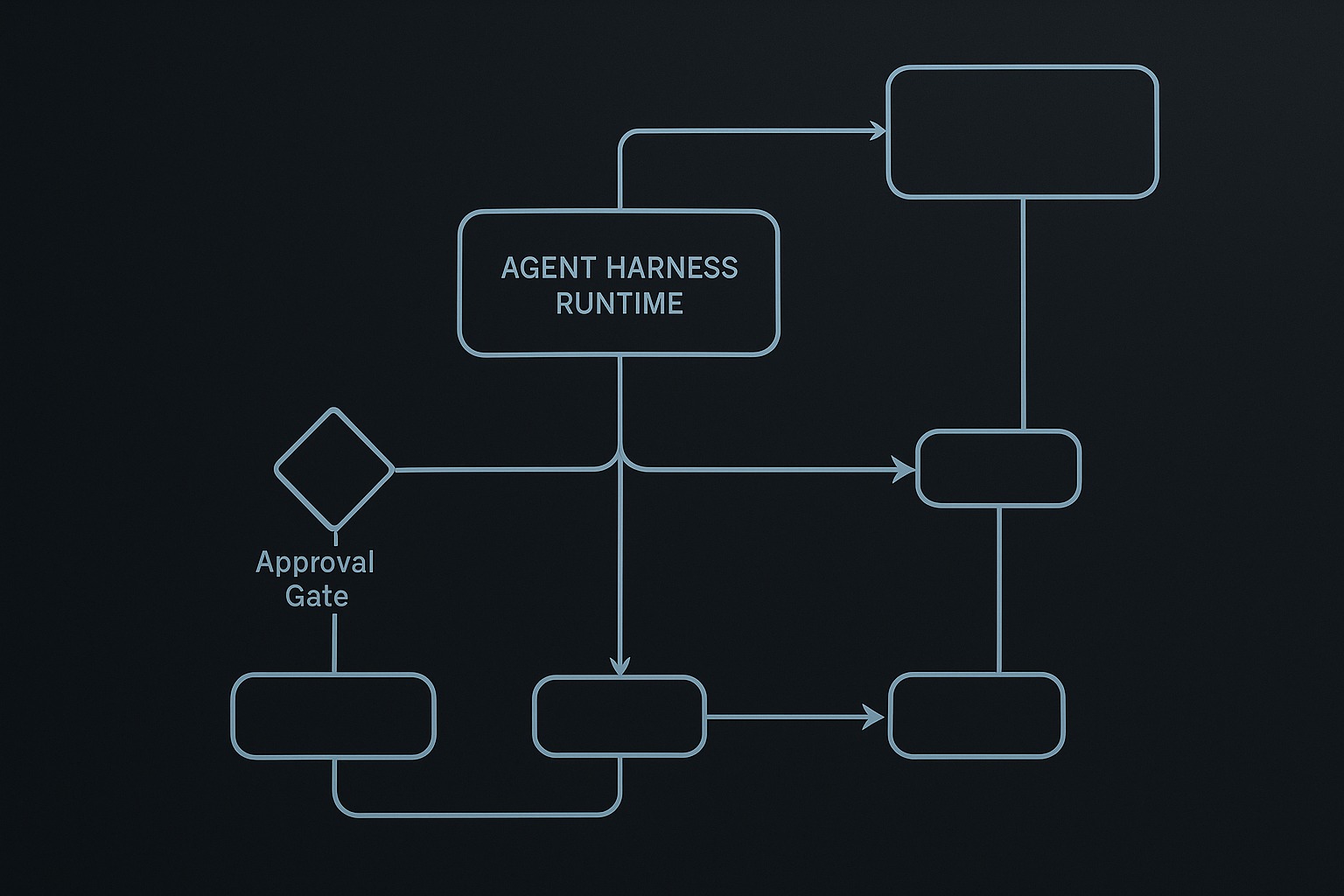
Engineering workflow diagram with checkpoints, event history, approval gate, and pause-resume arrows

Durable Execution Is the Difference Between a Demo and a System

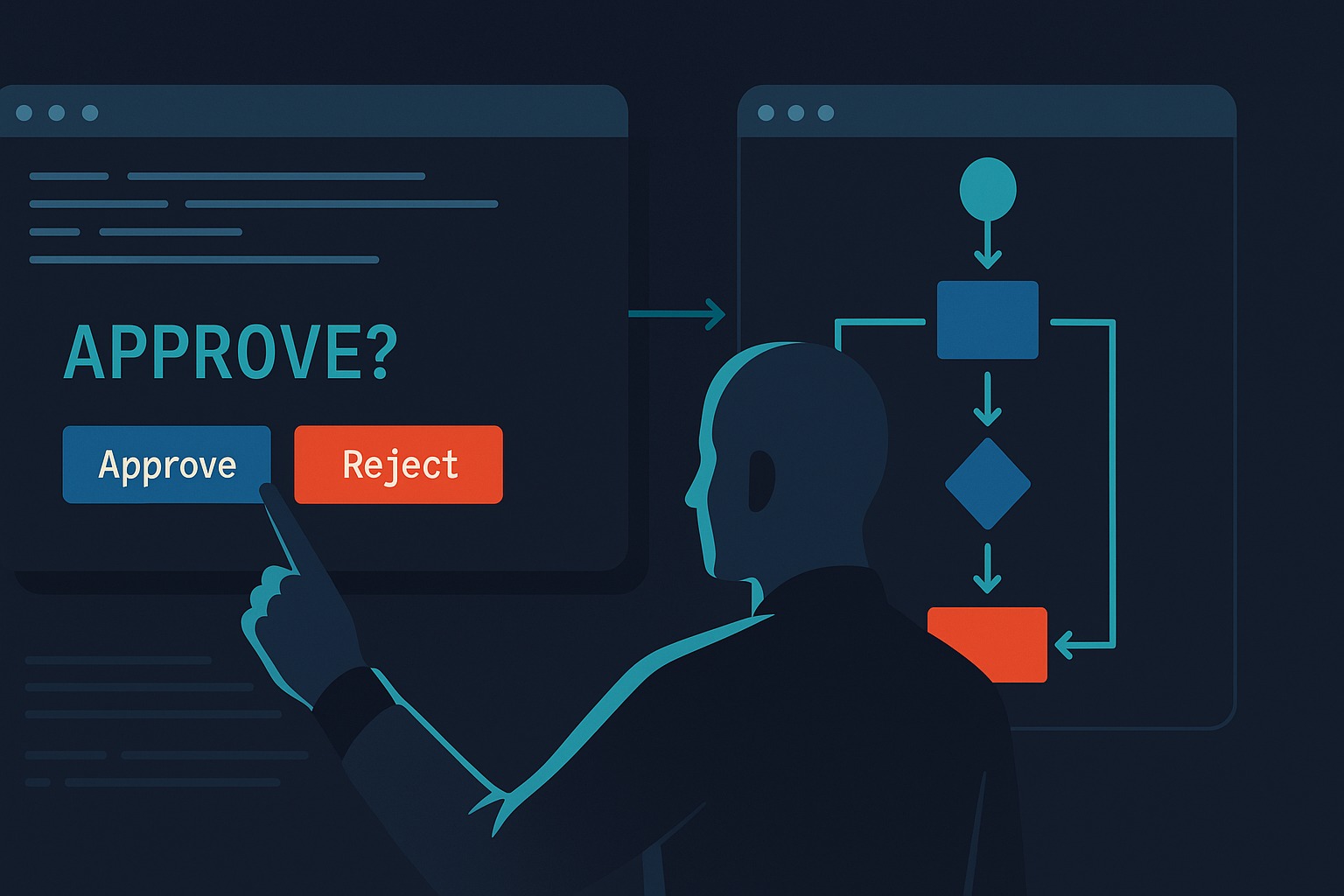
The live demo repo for this series is 67ailab/harness-engineering, and for this post I did change the repo before publishing. The new capability shipped in commit 9612b58, which adds persisted run summaries plus replay-oriented history inspection to the existing approval-gated harness. The key changes are in src/harness_engineering/store.py and src/harness_engineering/cli.py. That addition matters because durable execution is where most agent demos quietly stop being honest. It is easy to show a model calling tools in one uninterrupted run. It is much harder to explain what happens when execution pauses for approval, the process dies, the machine reboots, the reviewer returns malformed output, or an operator needs to understand what state the run is actually in. ...

May 4, 2026 · 67 AI Lab
Systems diagram showing an agent harness with workflow nodes, approval gates, manager-worker branches, and handoff arrows

Orchestration Patterns: Loops, Graphs, Managers, and Handoffs

The live demo repo for this series is 67ailab/harness-engineering, and for this post I did add a real repo capability before publishing. The repo now includes a workflow export layer in src/harness_engineering/workflow.py, plus a workflow CLI command in src/harness_engineering/cli.py that renders the current harness orchestration as structured JSON or Mermaid. That change shipped in commit a007c08. That may sound like a documentation flourish. It is not. The point of an orchestration post is not to wave vaguely at boxes and arrows. It is to make the runtime’s control structure explicit enough that you can inspect it, reason about it, and argue about whether it is the right one. ...

May 3, 2026 · 67 AI Lab
Linux kernel privilege escalation concept with memory pages, containers, and security signals

Copy Fail (CVE-2026-31431): Why a Small Linux Kernel Bug Became a Serious Root Escalation Risk

Date: May 2, 2026 Author: 67 AI Lab Classification: Public Technical Insight Executive Summary CVE-2026-31431, also known as Copy Fail, is a high-severity local privilege escalation flaw in the Linux kernel’s crypto subsystem. The bug lives in algif_aead, part of the AF_ALG userspace crypto interface, and traces back to an in-place optimization introduced in 2017. What makes this vulnerability unusually important is not just that it yields root, but that public analysis describes the exploit path as deterministic, compact, and cross-distribution. By chaining AF_ALG with splice(), an unprivileged local user can achieve a controlled 4-byte overwrite in page cache for a readable file. In practice, that is enough to corrupt the in-memory image of a setuid binary such as /usr/bin/su and obtain a root shell. ...

May 2, 2026 · 67 AI Lab
Diagram of JSON schemas and MCP tool descriptors feeding into an agent harness with approvals and traces

Tool Calling, Schemas, and the Rise of MCP

The live demo repo for this series is 67ailab/harness-engineering, and for this post I did add a real new capability before publishing. The repo now includes a small MCP-style adapter layer in src/harness_engineering/mcp.py, plus CLI entry points to inspect tool descriptors and call tools through that boundary. The exact repo change shipped in commit e21f361. That addition matters because this is the first point in the series where the demo has to answer a question the broader ecosystem now forces on every agent builder: what exactly is the boundary between your harness and the tool protocol? ...

May 2, 2026 · 67 AI Lab
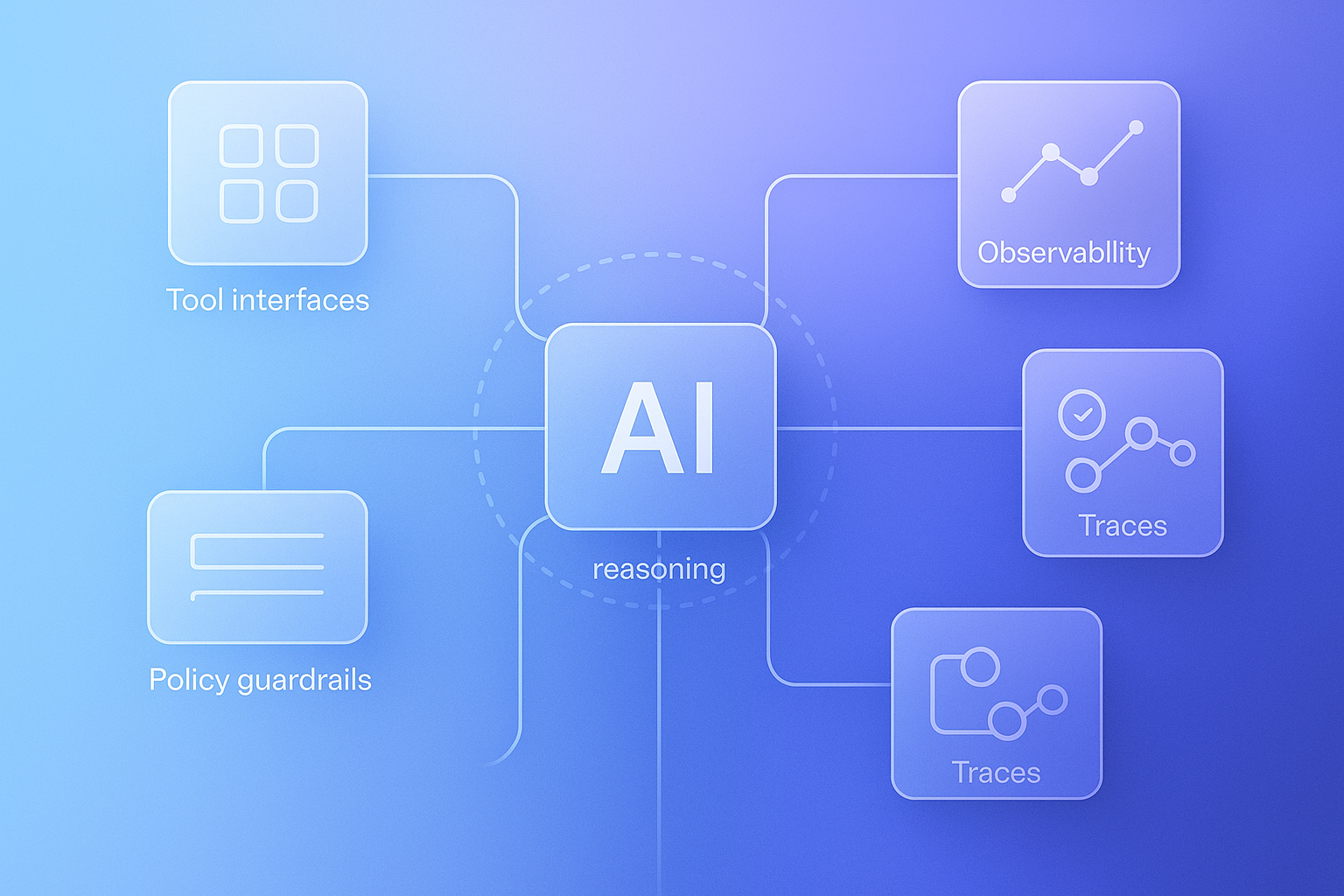
Systems diagram of an AI agent connected to tools, observability, approval gates, memory, and policy guardrails

Agentic Harness Engineering White Paper

Artificial intelligence is entering a new engineering phase. For the last two years, the dominant conversation centered on prompt engineering: how to ask better questions, structure better instructions, and squeeze more reliable output from large language models. That work mattered, and still matters. But as models have become capable of planning, tool use, coding, browsing, testing, and acting over many steps, the practical bottleneck has shifted. The central production problem is no longer simply how to prompt the model. It is how to build the runtime around the model so that the model can act effectively, safely, durably, and measurably. ...

May 1, 2026 · 67 AI Lab
Blueprint-style diagram of an agent runtime surrounded by tools, state, traces, approvals, and outputs

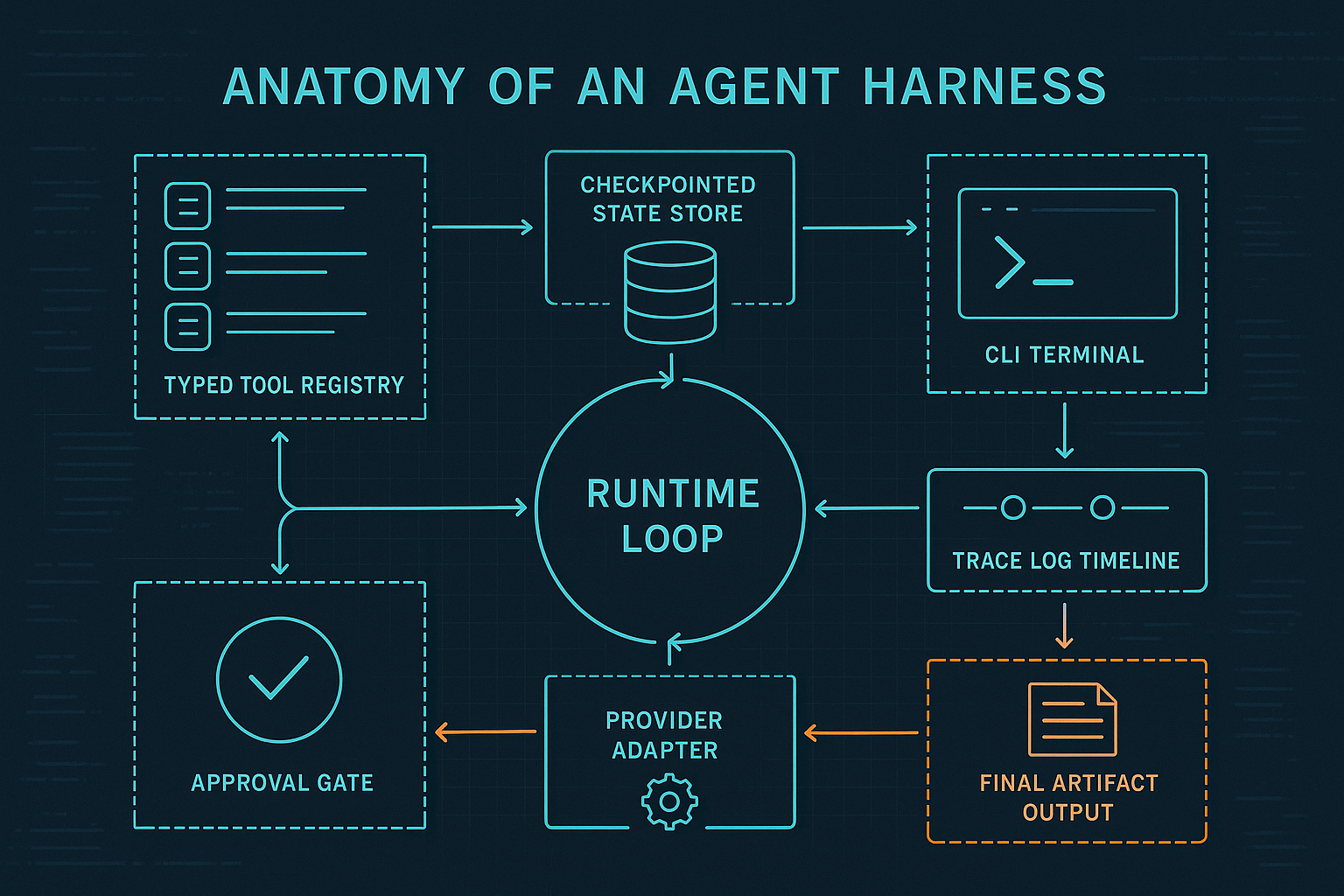
Anatomy of an Agent Harness

The live demo repo for this series is 67ailab/harness-engineering, and this post stays anchored to the code that exists there today. I did not add a new repo capability for this article. The point of this installment is to dissect the current harness as it actually stands: what lives in src/harness_engineering/, how the pieces fit together, and which parts are carrying the reliability burden. That matters because “agent” is now a dangerously overloaded word. Many teams still mean either a model that can call functions or a prompt loop with some memory and tool wrappers. Those are ingredients, not a runtime anatomy. ...

May 1, 2026 · 67 AI Lab
Abstract diagram of an LLM connected to tools, checkpoints, approval gates, and trace logs

Why Agentic Harness Engineering Matters More Than Prompt Engineering

The live demo repo for this series is 67ailab/harness-engineering. This first post is grounded in the current public repo state rather than a made-up architecture diagram. For this article, I did not add a new repo feature before publishing; the existing baseline already supports the core claim. At the time of writing, that baseline includes typed tools, checkpointed run state, resumable execution, an approval gate before writing artifacts, per-step traces, a planner/reviewer split, and optional local OpenAI-compatible model support. ...

April 30, 2026 · 67 AI Lab
Abstract market dashboard with cloud growth, AI infrastructure, and earnings signals

Big Tech Earnings Show the New AI Trade: Monetization Wins, Spend Alone Does Not

The latest earnings reports from Microsoft, Alphabet, Amazon, and Meta delivered one very clear message: the market is no longer rewarding AI investment on faith alone. Investors still believe in the AI buildout. If anything, these results reinforced that hyperscaler spending on compute, models, networking, and power is very real. But the market has become much more selective about which AI stories it rewards. The dividing line is no longer “who is spending the most.” It is now much closer to: who can prove that AI demand is already turning into durable revenue, cloud growth, backlog, and operating leverage. ...

April 30, 2026 · 67 AI Lab
Abstract diagram of control planes, services, and cascading failure paths in a hyper-scale distributed system

A Comprehensive Guideline for Extreme Risk Identification and Prevention for Hyper-scale Distributed Systems

Hyper-scale distributed systems fail differently from ordinary software systems. Their most dangerous risks are rarely caused by one broken component. They emerge from the interaction of control planes, data planes, deployment automation, network topology, retry behavior, queueing dynamics, tenant workloads, and human operational decisions. In such systems, extreme risk means a low-frequency but high-consequence condition that can create nonlinear blast radius: regional degradation, global control-plane unavailability, cross-tenant impact, silent data corruption, large-scale isolation failure, or unrecoverable operational deadlock. ...

April 28, 2026 · 67 AI Lab