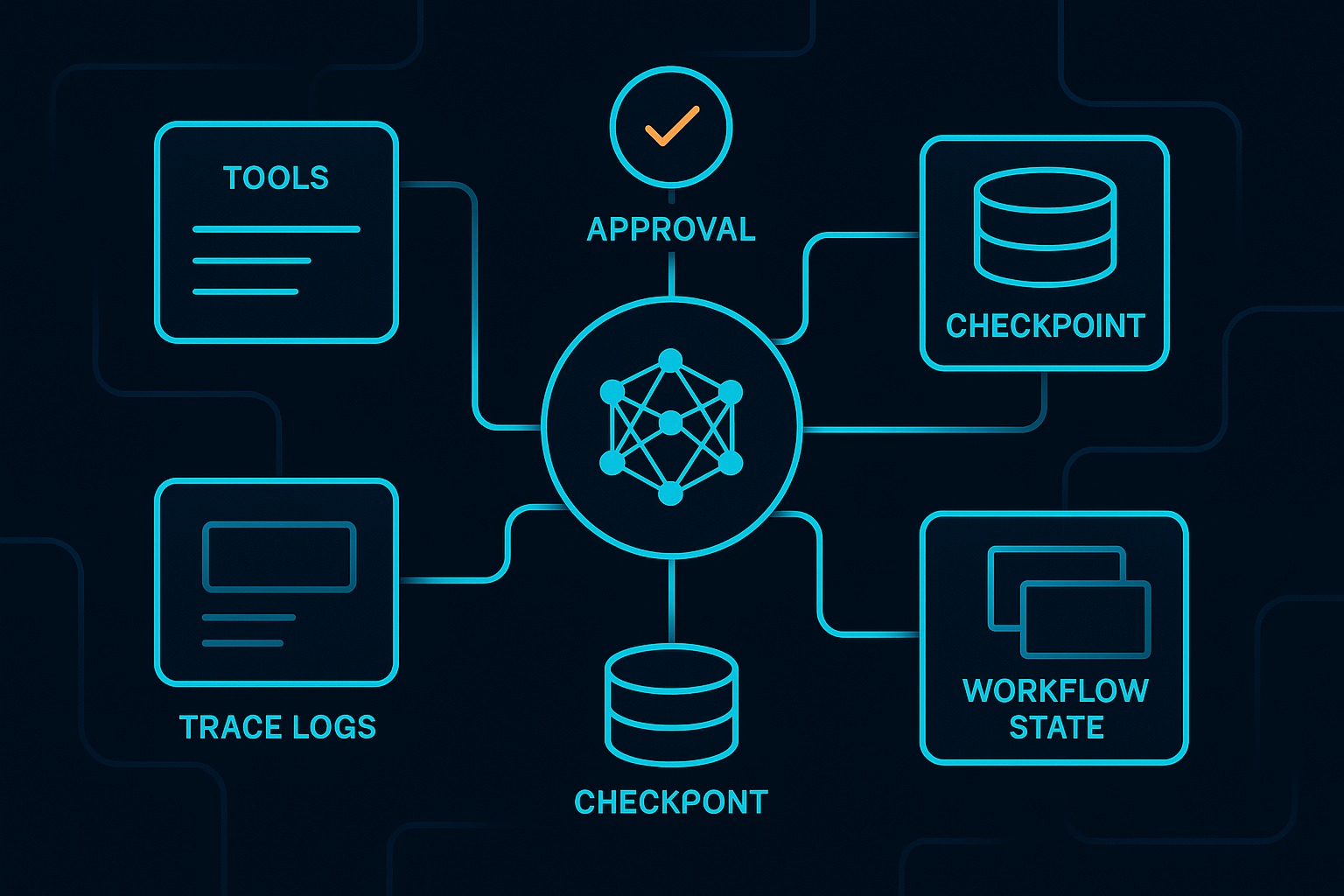
Memory Architecture for Agents: Context, Sessions, and State
A practical look at memory architecture in the live harness-engineering demo: separating working context, durable session state, and retrieval memory instead of calling everything memory.
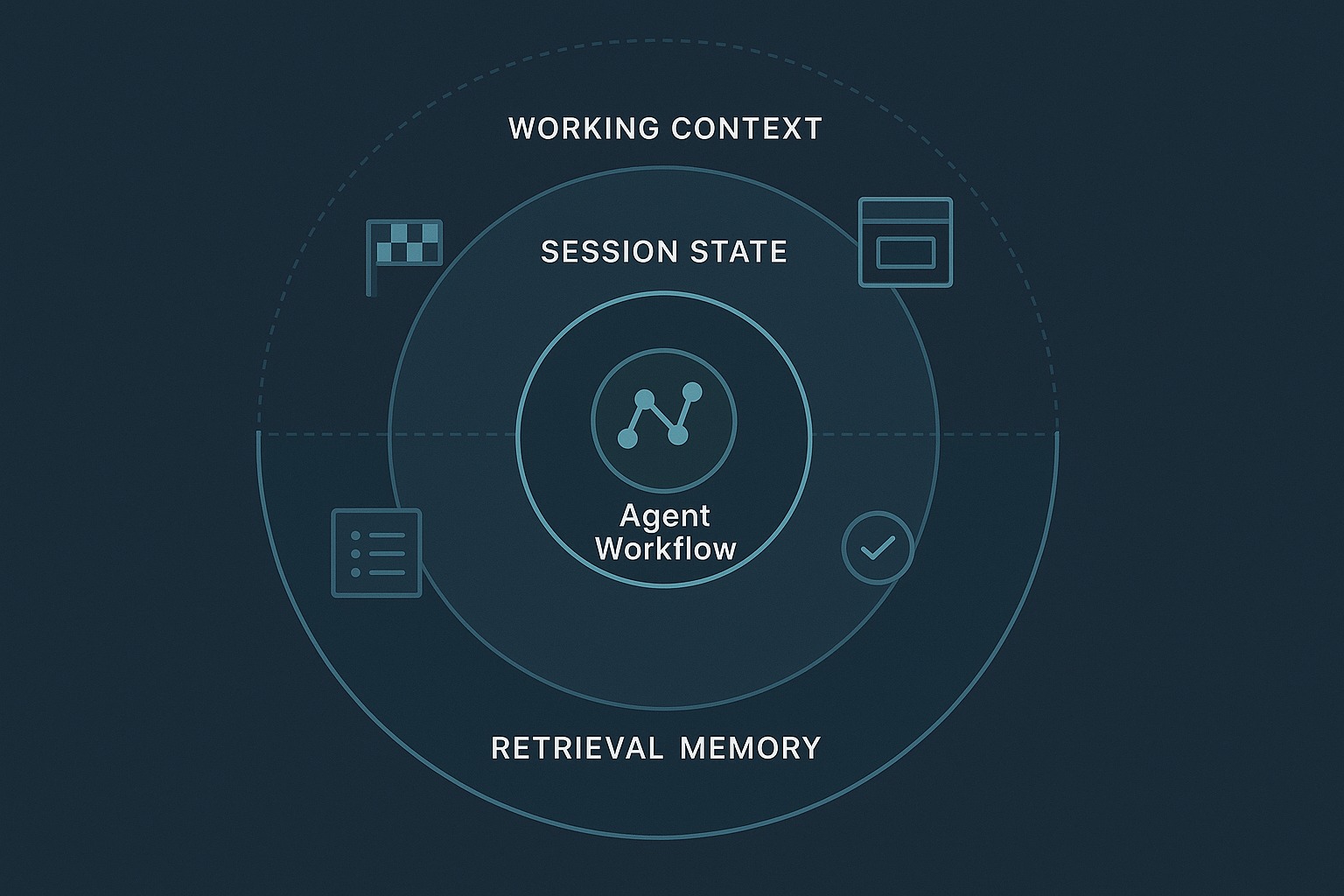
A practical look at memory architecture in the live harness-engineering demo: separating working context, durable session state, and retrieval memory instead of calling everything memory.
A deep technical guide to vector databases: what they are, how they evolved, how they work internally, and how to use them with embeddings, RAG, and agents.
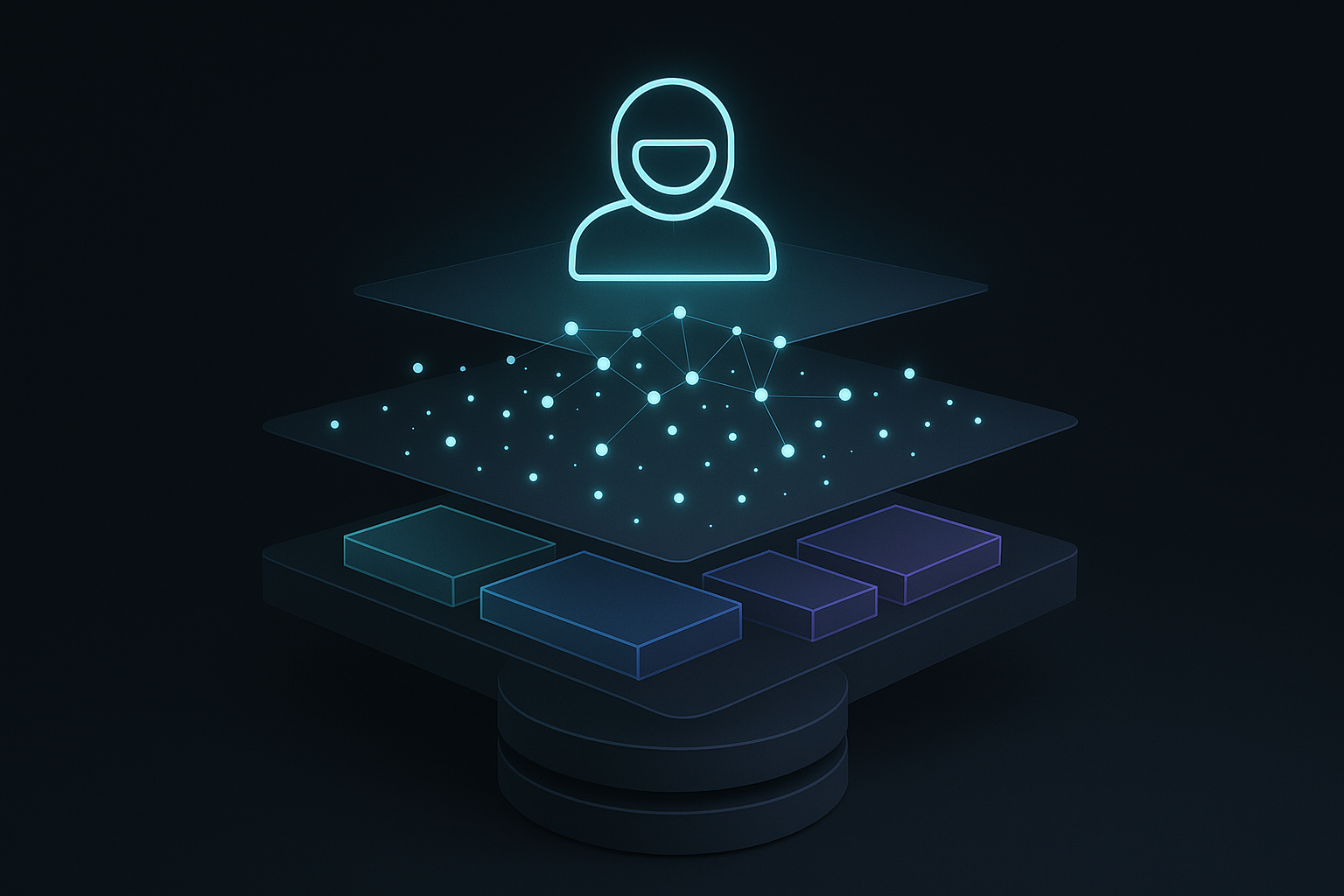
Checkpointing, approval-safe pause/resume, and replay-friendly run history are what turn an agent demo into an operational system. A practical look at the live harness-engineering repo after adding persisted run …
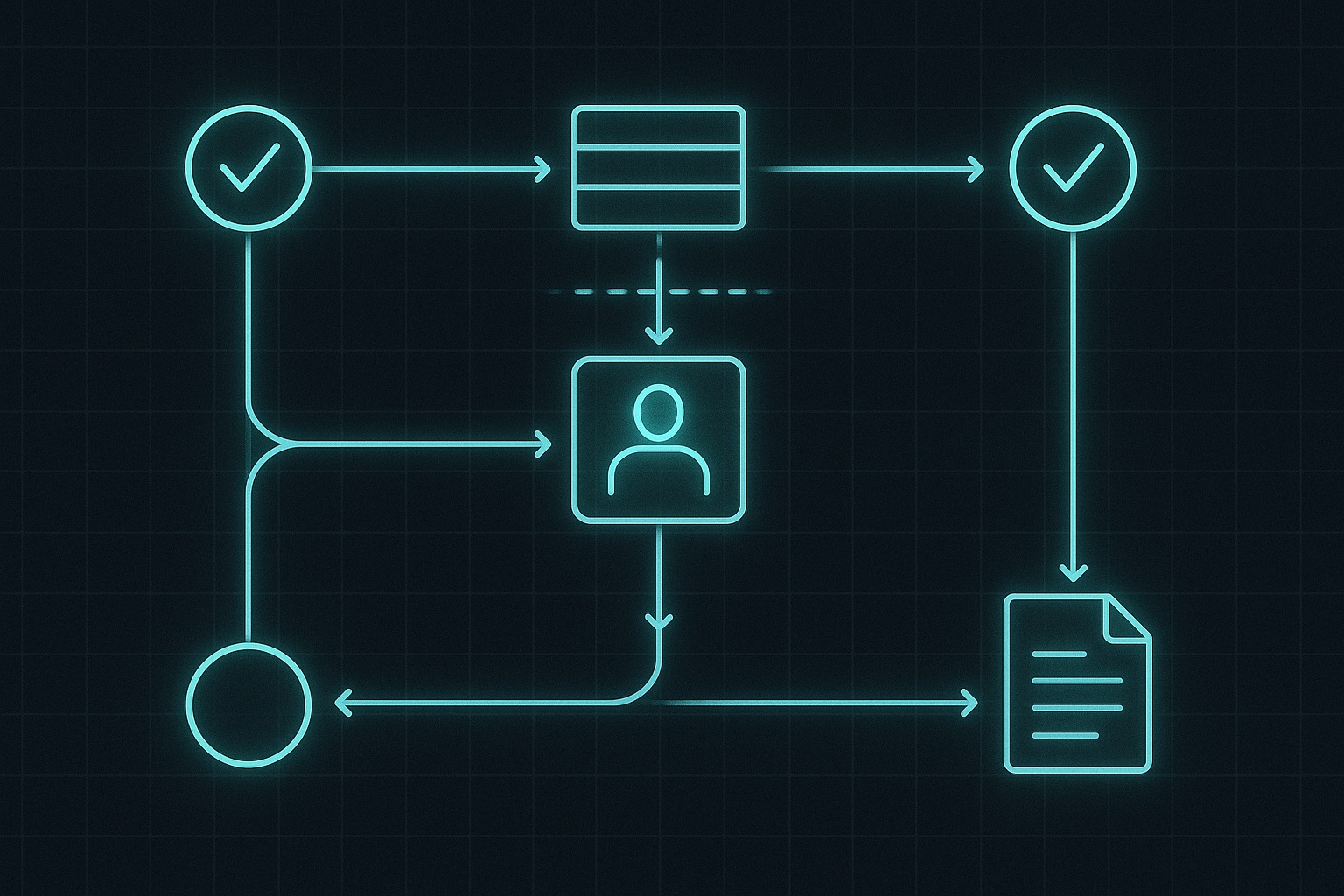
A practical look at orchestration patterns for agent systems, grounded in the live harness-engineering demo after adding workflow graph export for its approval-gated runner.
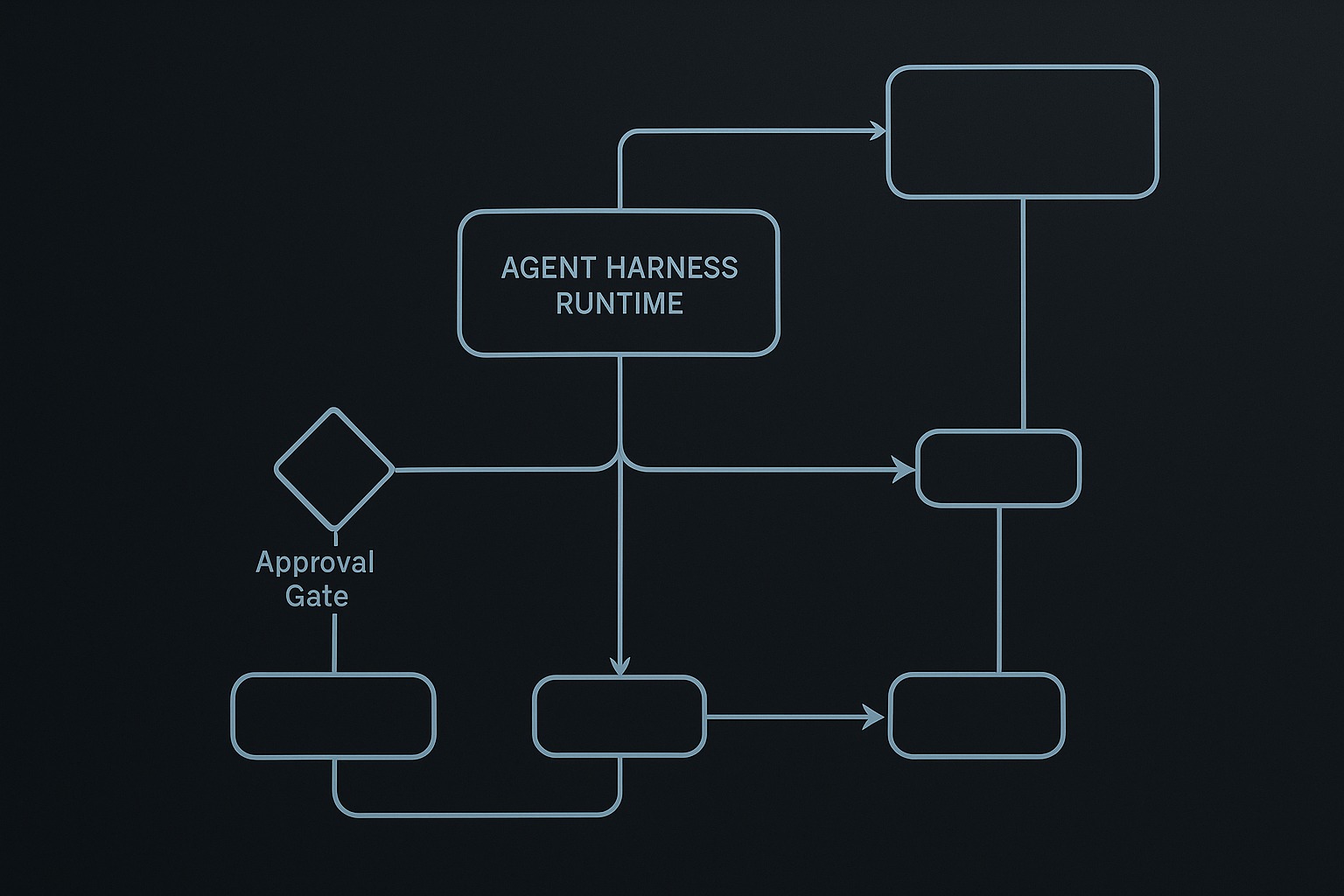
Function calling and MCP make tool interfaces more portable and legible, but they do not replace retries, approvals, state, tracing, or orchestration. A practical look at the live harness-engineering demo after adding an …
A comprehensive white paper on agentic harness engineering: the runtime, tooling, controls, evals, and governance patterns that make AI agents reliable in production.
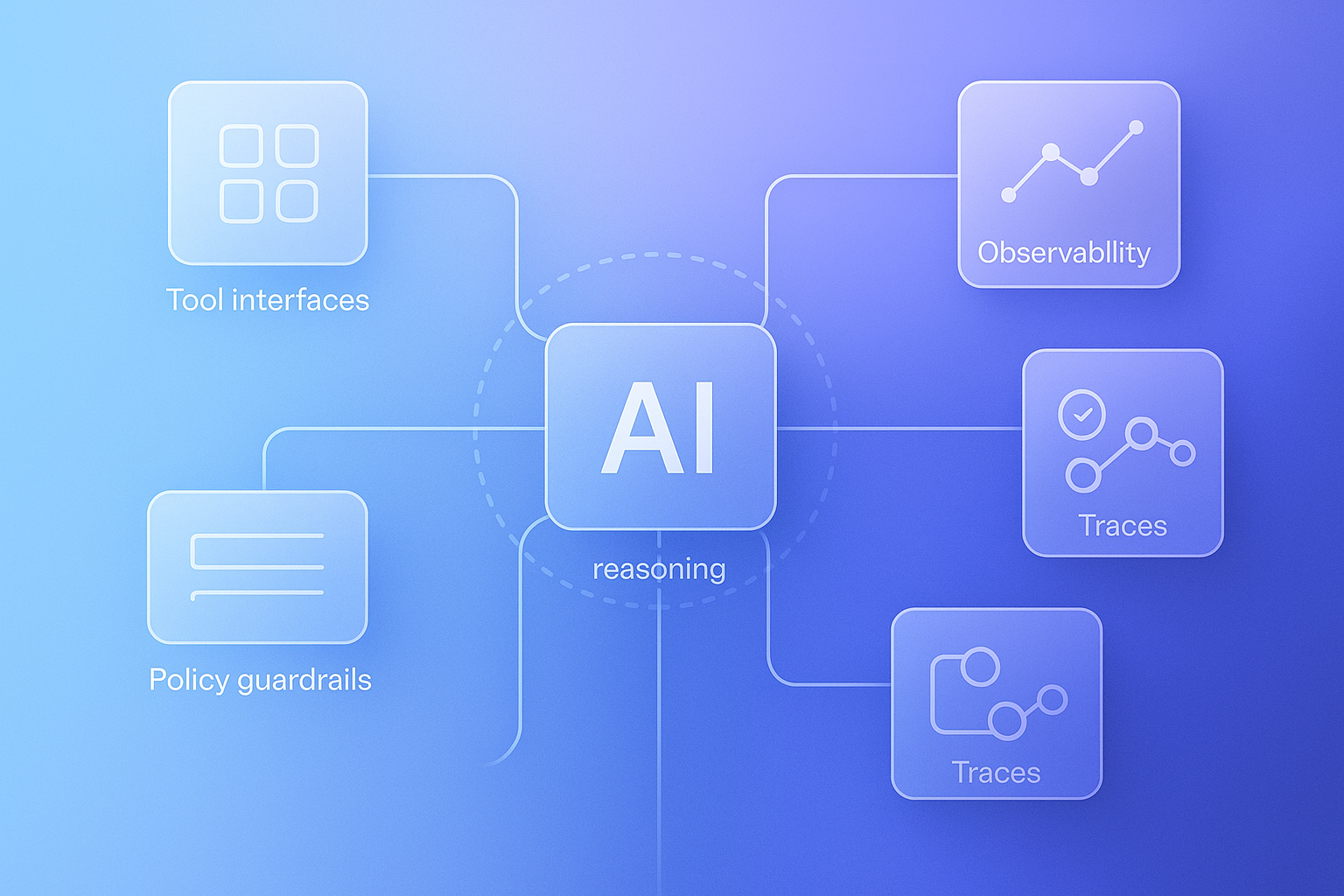
A practical teardown of the live harness-engineering demo: runner, tool registry, persistent state, CLI surface, provider boundary, and traces—and why those parts matter more than agent theater.
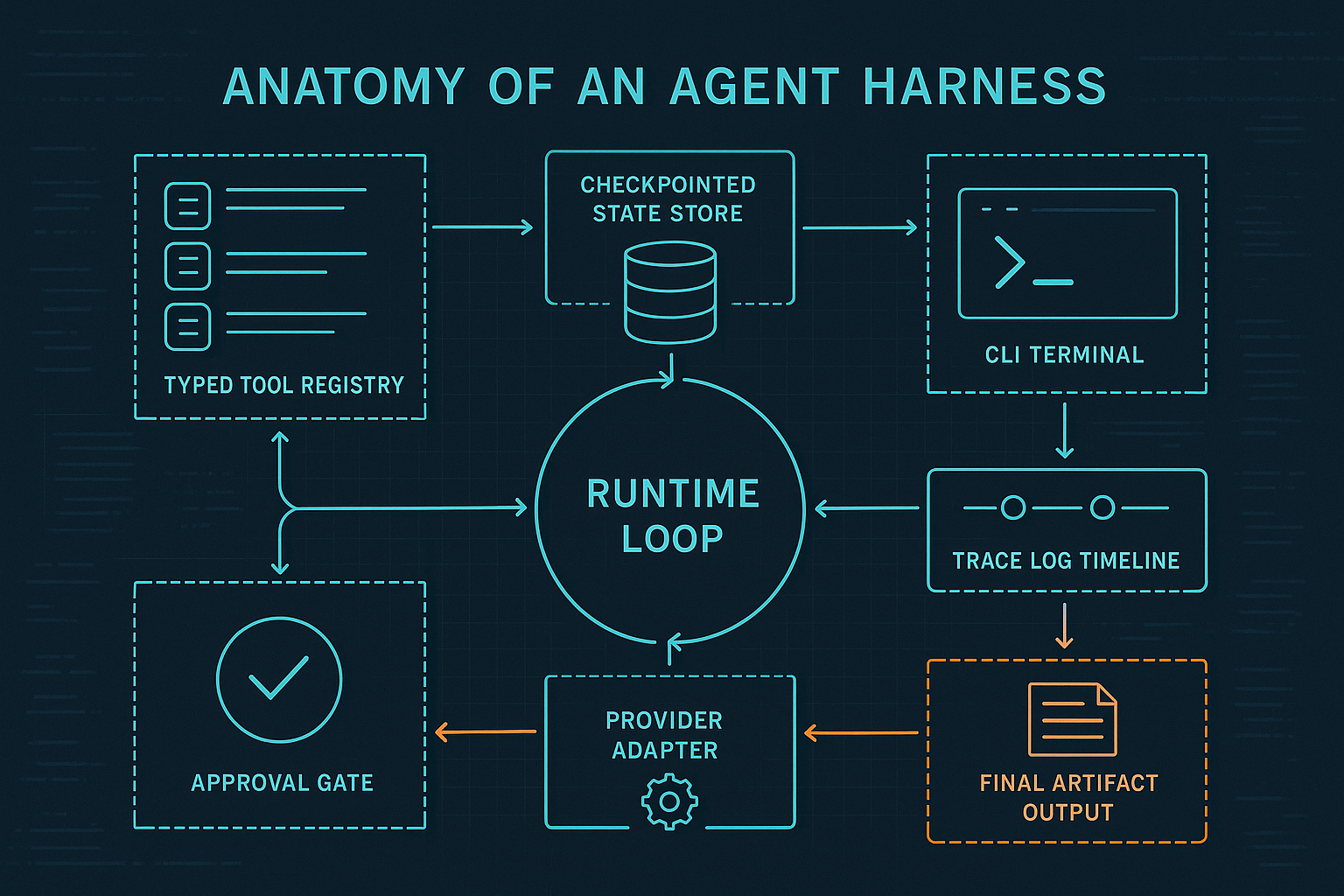
Production-grade agent systems fail less because of clever prompts than because of the runtime around the model: typed tools, explicit workflow state, approvals, retries, traces, and resumable execution.